

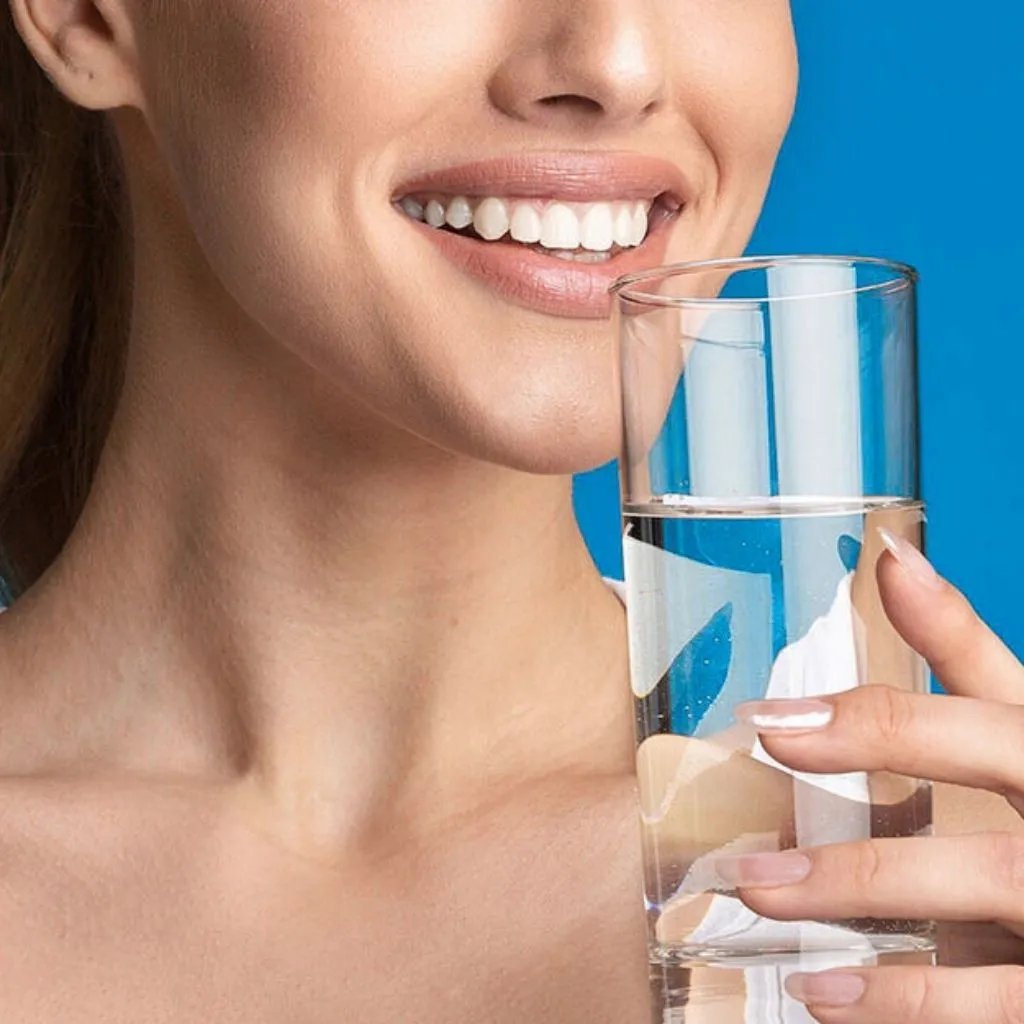
How Drinking More Water Protects Your Teeth and Gums
Water supports almost every system in the body, including oral health. Good hydration helps saliva flow, rinses away food particles, reduces acid exposure, and supports enamel protection. In simple terms, water is one of the easiest low-cost habits that improves both daily comfort and long-term dental outcomes.
Why Water Matters for General and Oral Health
The human body is largely water, and even mild dehydration can affect concentration, mood, physical performance, and recovery. The mouth is one of the first areas where dehydration becomes visible: saliva decreases, oral tissues feel sticky, breath worsens, and teeth become more vulnerable to acid and plaque activity.
When hydration is stable, saliva production improves. Saliva is essential because it naturally buffers acids, carries minerals to tooth surfaces, and helps clear bacteria and debris from the mouth.
Why Replacing Soda with Water Is a High-Impact Change
Sugary and acidic drinks increase enamel stress in two ways at once: they feed acid-producing bacteria and they deliver direct dietary acids that soften enamel. Frequent exposure is more harmful than occasional intake because teeth get less time to recover between acid attacks.
Water, by contrast, has no sugar and no erosive acid load. Switching from soda or sweetened drinks to water lowers cumulative daily acid contact and reduces fermentable sugar availability for oral bacteria.
| Drink Type | Sugar Load | Acid Risk | Oral Health Effect |
|---|---|---|---|
| Water | None | Very low | Supports saliva, rinses mouth, lowers cavity risk |
| Regular soda | High | High | Raises cavity and enamel erosion risk |
| Sports/energy drinks | Moderate to high | High | Can combine sugar and acid damage |
| Fruit juice | Natural sugar, often concentrated | Moderate to high | Healthful in moderation, but still acid-exposure for teeth |
1. Water Helps Strengthen Teeth
Where available, fluoridated water supports enamel remineralization. Fluoride helps repair early microscopic enamel changes before they become deeper lesions. This is one reason many public health organizations consider community water fluoridation an effective cavity-prevention measure.
Even without focusing only on fluoride, hydration itself supports the oral environment. A well-hydrated mouth maintains a healthier pH profile and better natural cleaning.

2. Water Keeps Your Mouth Cleaner Between Brushings
Water helps flush away loose food particles and dilute sugars in the mouth. It cannot replace brushing and interdental cleaning, but it lowers the “fuel” available for bacteria between hygiene sessions.
Frequent sipping of sweet drinks keeps the mouth in an acid-prone state for longer periods. Frequent water intake shortens that exposure and helps oral tissues recover more quickly.
3. Water Reduces Dry Mouth Risk
Saliva is mostly water and is central to oral protection. When saliva flow drops, patients may experience burning sensation, sticky mouth feel, swallowing difficulty, bad breath, and higher caries risk.
Dry mouth can be related to medications, medical conditions, mouth breathing, stress, or dehydration. Drinking water regularly throughout the day supports moisture and comfort, especially for patients already prone to xerostomia.
If dry mouth persists, a clinical review is recommended because additional management may be needed beyond hydration alone.
4. Water Has No Sugar, No Calories, and No Added Oral Risk
Replacing high-calorie sugary drinks with water supports both systemic health and dental health. Reducing added sugar intake lowers caries risk, and lower acidic beverage intake protects enamel from repeated erosive cycles.
This habit is also practical for long-term weight and metabolic health goals, which indirectly supports oral health through lower inflammatory burden and improved routine adherence.
How Much Water Should You Drink?
Hydration needs vary by climate, activity level, diet, medical status, and body size. While “eight glasses” is a common reminder, the more useful target is steady hydration across the day rather than large infrequent intake.
- Drink consistently instead of waiting for strong thirst.
- Increase intake in hot weather, exercise, or dry indoor environments.
- Use urine color (light straw tone) as a practical hydration signal.
- Discuss individual targets if you have kidney, heart, or medical fluid restrictions.
Practical Ways to Drink More Water Daily
- Carry a refillable bottle so water is always accessible.
- Set timed reminders if you forget to drink during work.
- Drink a glass of water before each meal and snack.
- Take water after coffee, tea, or acidic drinks to rebalance your mouth.
- Choose water first when you are thirsty, then decide if you still want another drink.
- Keep plain water visible at home and office to reduce decision friction.
Small routines are easier to sustain than strict short-term plans. Consistency matters more than perfection.
Water Intake During and After Dental Treatment
Hydration is often underestimated in treatment recovery. After many dental procedures, adequate fluid intake supports comfort, tissue healing, and oral cleanliness.
Where hydration is especially useful
- After whitening sessions, when sensitivity management matters.
- After restorative care, to support clean oral conditions.
- During aligner or appliance use, where dry mouth can increase discomfort.
- After prolonged appointments, when mouth breathing may cause dryness.
For aesthetic procedures such as veneers, reducing acidic beverage exposure can help protect long-term surface quality and margin cleanliness. Always follow your dentist’s case-specific advice.
Quick Daily Oral Health Routine (Hydration + Hygiene)
- Morning: water, then brushing with fluoride toothpaste.
- Daytime: sip water regularly, especially after meals.
- After acidic drinks: wait and rinse with water before brushing.
- Evening: floss/interdental cleaning + brushing before sleep.
- Check-up: professional review and cleaning at recommended intervals.
This combined approach is simple, low-cost, and highly effective for reducing plaque stress and supporting healthier gums.
Final Word
Drinking more water is one of the easiest habits to improve oral health outcomes. It reduces dry mouth risk, limits sugar and acid exposure, supports enamel protection, and complements daily hygiene practices.
If you frequently experience dry mouth, sensitivity, or repeated cavities, a personalized dental assessment can identify the underlying drivers and help you build a prevention plan that works long-term.
Educational content only. It does not replace in-person diagnosis and individualized clinical advice.