

Why Turkey Leads Global Dental Tourism: A UK-Friendly Guide by Smile Center Turkey
Son güncelleme: 23 Şubat 2026 - Klinik inceleme bağlamı: Dt. Furkan ve Dr. Özlem
Turkey has become a major destination for UK dental travelers by combining strong clinical standards, efficient timelines, and clear communication. This guide explains how to compare providers safely and plan a predictable treatment journey.
Turkey’s Rise in Dental Tourism
Turkey has evolved from a promotion-led destination into a process-led destination. UK patients now evaluate dental tourism routes using stronger criteria: diagnostics quality, consent clarity, material traceability, and post-return support.
In Antalya, many clinics serving international patients have invested in digital workflows and multidisciplinary coordination. This makes it possible to sequence diagnostics, treatment, and review in a more efficient way without sacrificing decision quality.
Quality Without Compromise
Affordability alone is not a decision strategy. A reliable pathway should preserve clinical standards and explain treatment stages in writing. The quality signal is process transparency: what is included, what is excluded, and how complications are handled if they occur.
| What UK Patients Need | What a Strong Provider Shows |
|---|---|
| Predictable outcomes | Diagnostics-led planning and staged verification before finalization |
| Material confidence | Traceable systems and clear procedural documentation |
| Scope clarity | Written inclusions, exclusions, and contingency logic |
| Continuity | Structured aftercare route with UK-compatible record handover |
Technology and Clinical Expertise
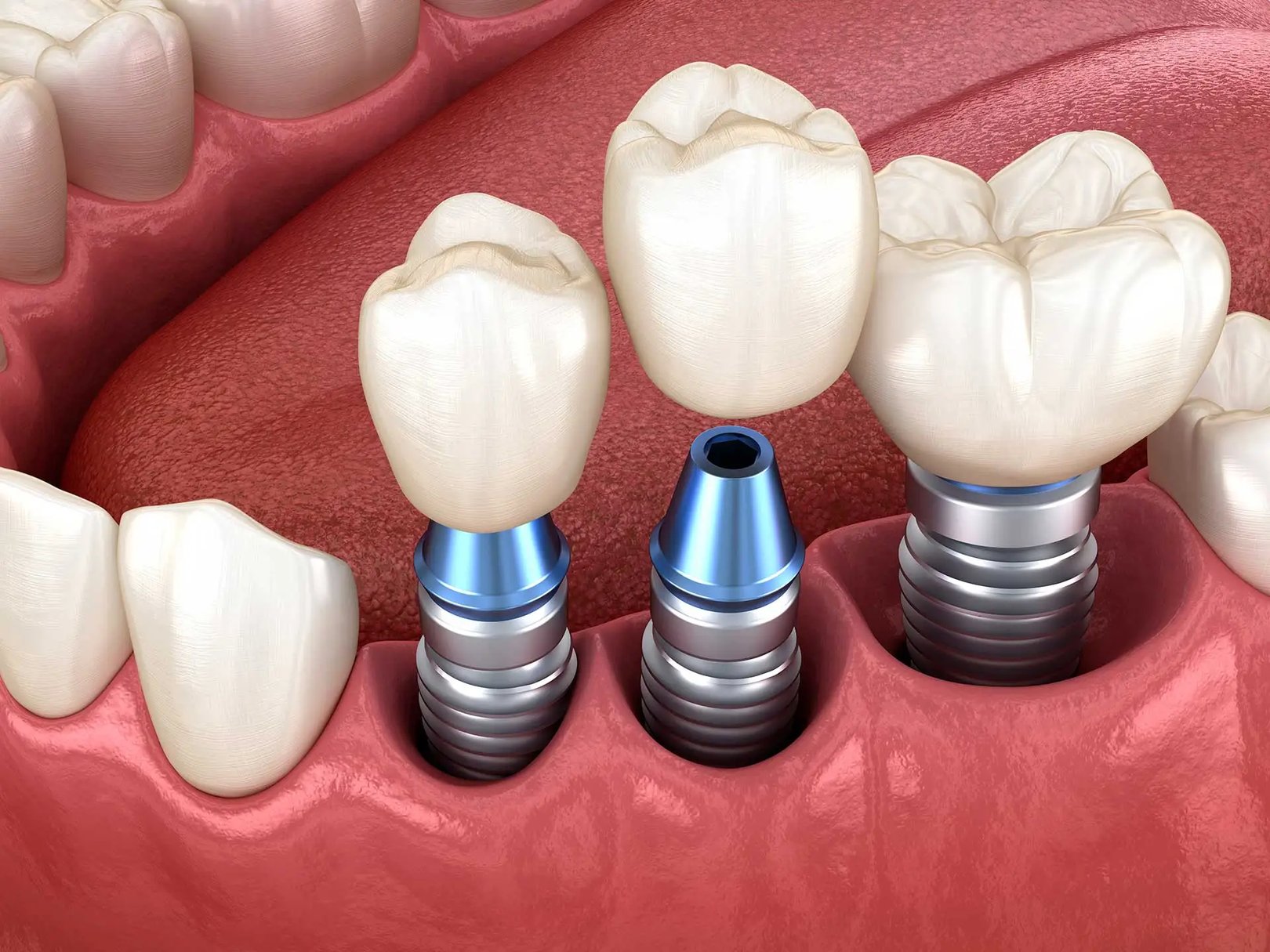
Modern tools are useful when they improve treatment decisions. CBCT helps map anatomy for safer implant planning. Intraoral scanning improves fit accuracy and comfort. CAD/CAM integration can improve prosthetic consistency and reduce remakes in staged workflows.
- Digital smile design: aesthetic preview and alignment with patient goals
- Guided implant planning: safer angulation and prosthetic-driven placement
- Ceramic and restorative control: better reproducibility in multi-unit cases
Comprehensive Services Under One Roof
Many UK patients need blended care rather than one isolated treatment. A robust dental tourism model can combine preventive, restorative, implant, and aesthetic stages under one coordinated plan.
- Diş implantları from single-unit to full-arch pathways
- Porselen kaplamalar and conservative smile refinement
- Zirkonya kronlar for structural reinforcement
- Whitening pathways integrated with restorative timing
What UK Patients Should Verify Before Booking
Before flights are booked, compare pathway quality line by line. A lower headline does not equal better value unless treatment scope is truly equivalent.
- Written treatment plan with alternatives and limitations
- Diagnostic protocol and candidacy screening logic
- Material traceability and restorative stage documentation
- Named escalation route for post-return concerns
Useful context sources include the NHS dental pages, Genel Dişhekimliği Konseyi, ve Nuffield Trust.
Travel and Logistics Essentials
Travel reliability affects clinical reliability. Schedule buffer is especially important for restorative finalization and implant review windows.
- Avoid return flights immediately after critical adjustment phases
- Share medical history and records before travel
- Keep emergency contact route documented before arrival
Step-by-Step Treatment Journey
1) Remote assessment
Photos, x-rays, and objectives are reviewed to build a preliminary roadmap.
2) On-site diagnostics
Examination and imaging confirm candidacy and finalize staging.
3) Active treatment
Surgery or restorative preparation proceeds according to verified plan.
4) Verification and refinement
Try-ins, bite checks, and fit controls happen before final delivery.
5) Discharge and continuity
Written aftercare and records support UK follow-up care.
Tedaviden önce
- Written scope and staged timeline
- Alternatives and trade-offs documented
- Material details by stage
Before departure
- Aftercare instructions in English
- Record pack for UK clinician
- Escalation pathway and warning signs
Aftercare and UK Continuity
Long-term outcomes depend on maintenance behavior and review rhythm. Strong providers plan this from the beginning, not at the end.
- Hygiene and maintenance intervals matched to risk profile
- Night-guard strategy where occlusal load requires it
- Remote support channel for early symptom reporting
- Record quality enabling local UK continuity
Package Scope and Exclusion Logic
A package is only reliable when inclusions and exclusions are explicit. Ask for a written matrix before payment.
| Package Area | What to Confirm |
|---|---|
| Diagnostics | Imaging and planning stages included in pathway |
| Laboratory workflow | Try-ins and adjustment policy clearly defined |
| Temporaries | Eligibility and revision logic documented |
| Aftercare | Scope and duration of support after return travel |
| Contingencies | Scenarios that can alter staging or scope |
Materials and Protocol Quality
Brand labels matter less than protocol discipline. Outcomes depend on preparation design, isolation, staging decisions, and occlusal finishing quality.
- Written material rationale per case type
- Function-first bite verification before finalization
- Maintenance-aware restorative choices

Consent, Governance, and Records
Good governance protects both patient confidence and clinical predictability.
How to Read Treatment Scope Safely
Treat the written plan as a clinical document. Scope integrity matters more than headline brevity.
| Plan Component | Question to Ask |
|---|---|
| Diagnostics | Are mandatory planning stages already included? |
| Lab workflow | How are revisions and fit refinements handled? |
| Aftercare | What support is available post-return and how? |
| Exclusions | Which findings can modify the planned pathway? |
Risk Control and Red Flags
Positive signals
- Written alternatives and rationale
- Clear candidacy screening before irreversible treatment
- Defined review and escalation workflow
Warning signals
- Pressure to commit quickly without complete records
- No clear distinction between treatment options
- No mention of maintenance and follow-up obligations
Typical UK Patient Timelines
Cosmetic-restorative pathway
- Diagnostics and preparation
- Lab phase and try-in
- Final verification and handover
Implant-led pathway
- Surgical stage
- Healing and monitoring
- Definitive restorative phase
Timeline suitability is always confirmed after diagnostics and risk review.
SSS
Türkiye'de tedavi güvenli mi?
It can be, when provider-level diagnostics, infection control, consent, and aftercare standards are strong.
How long should I stay in Antalya?
It depends on case complexity and staging. Your clinical team should provide a personalized schedule after diagnostics.
Do you provide UK aftercare continuity?
Yes, with written records, remote support channels, and practical guidance for local follow-up.
Can I review real outcomes first?
Yes, via the Önce & Sonra Galerisi and clinician profiles on the doctors page.