

Türkiye'de Dişlerinizi Yaptırmak - Eksiksiz Bir Birleşik Krallık Hasta Rehberi (Antalya Focus)
Turkey is one of the world’s most popular destinations for dental tourism, especially for UK patients. Whether you’re exploring veneers, whitening, implants or crowns, you can access high-quality, evidence-based care in Antalya at significantly lower private-sector costs than many UK pathways — while still prioritising safety, materials and long-term outcomes.
Introduction & Who This Guide Is For
Search demand for getting your teeth done in Turkey keeps growing among UK patients. The reasons are practical: private costs at home can be high, NHS access can be limited depending on region, and many people want a complete plan rather than spread-out appointments over many months. Turkey, and especially Antalya, has become one of the most visible options for people who want a modern clinical pathway with clear timelines.
This page is written for patients who want a balanced, adult-level explanation. You will not find hype language or unrealistic guarantees. Instead, you will find how decisions are made in real clinics: diagnosis first, treatment sequencing second, and aftercare always included in the conversation. If you are thinking about getting your teeth done in Turkey, this is the process quality you should expect before committing to travel.
It is also important to define what “teeth done” means. For one patient, it may mean whitening and two small composite corrections. For another, it may mean full-arch implant rehabilitation. These are very different pathways with different timelines, risks, and maintenance demands. Treating them as one product is where poor decisions start.
Birleşik Krallık'taki Hastalar Neden Türkiye'yi Seçiyor?
There is no single reason people choose this route. Most decisions are a mix of time, cost, access and communication. For many patients, getting your teeth done in Turkey is less about “cheap dentistry” and more about having an integrated plan with clear start and finish points.
1) Access and lead times
For aesthetic and restorative cases, many Antalya clinics can start assessments quickly and coordinate treatment blocks efficiently. This appeals to patients who do not want prolonged treatment gaps.
2) Cost structure and value
Even with flights and accommodation, total treatment costs can be materially lower than many UK private routes. The critical point is this: value is only real when quality controls are real. Written plans, traceable materials and follow-up protocols matter more than headline discounts.
3) High international-patient familiarity
International-facing clinics in Antalya have adapted workflows for patients who travel: English communication, consolidated appointments, digital records and post-return support.
4) Better treatment continuity than expected
When you receive proper records (materials, shade notes, scan references, implant components), UK follow-up becomes far easier. A good clinic plans this from the start rather than improvising at discharge.

Patients often ask whether quality can match UK standards. The right answer is provider-level, not country-level. Some clinics are excellent, some are average, and a small number are poor — exactly like any market. Your protection comes from due diligence, not geography alone.
Why Antalya Leads Dental Tourism
Antalya has distinct practical advantages for dental travel. It combines strong tourism infrastructure with dense clinic ecosystems that include diagnostics, laboratory support, and international-patient coordination. In short, it is easier to build a reliable treatment journey here than in cities where logistics are fragmented.
- Direct UK connectivity: frequent flights from major airports.
- Recovery-friendly setting: mild climate, walkable areas, and lower day-to-day stress during treatment weeks.
- Experienced multidisciplinary teams: restorative, prosthodontic and surgical planning in one pathway.
- Patient support infrastructure: airport transfers, bilingual communication, and accommodation partnerships.
These details matter because treatment quality does not exist in isolation. Sleep, stress, hydration, attendance reliability and post-op compliance all influence outcomes. Antalya’s environment supports these basics well.
Smile Center Turkey® at a Glance
Smile Center Turkey is a long-established Antalya clinic working heavily with international patients, including many from the UK. The model is structured around clarity: pre-travel virtual assessment, in-clinic diagnostics, written treatment mapping, and post-return support.
For patients considering getting your teeth done in Turkey, this type of structure is what reduces risk: fewer assumptions, more documentation, and realistic expectations before irreversible stages.
En Yaygın Tedaviler
UK patients frequently combine treatments during one Antalya trip. The right mix depends on oral health, bite function, tissue condition, and cosmetic goals.
1) Dental Veneers (Porcelain and Composite)
Veneers improve colour, shape and surface harmony of front teeth. Porselen kaplamalar generally offer better long-term stain resistance and optical depth. Composite can be excellent for selective, conservative corrections.
Veneers are best planned after gum stability and bite analysis. In many cases, conservative preparation is possible. In some cases, alternatives such as whitening, alignment, or bonding-first strategies are more biologically sensible.
2) Professional Teeth Whitening
Whitening is often underused in planning discussions. If colour is the main concern, it can achieve major improvement with minimal intervention. It is also important for shade sequencing before restorative work.
3) Diş İmplantları
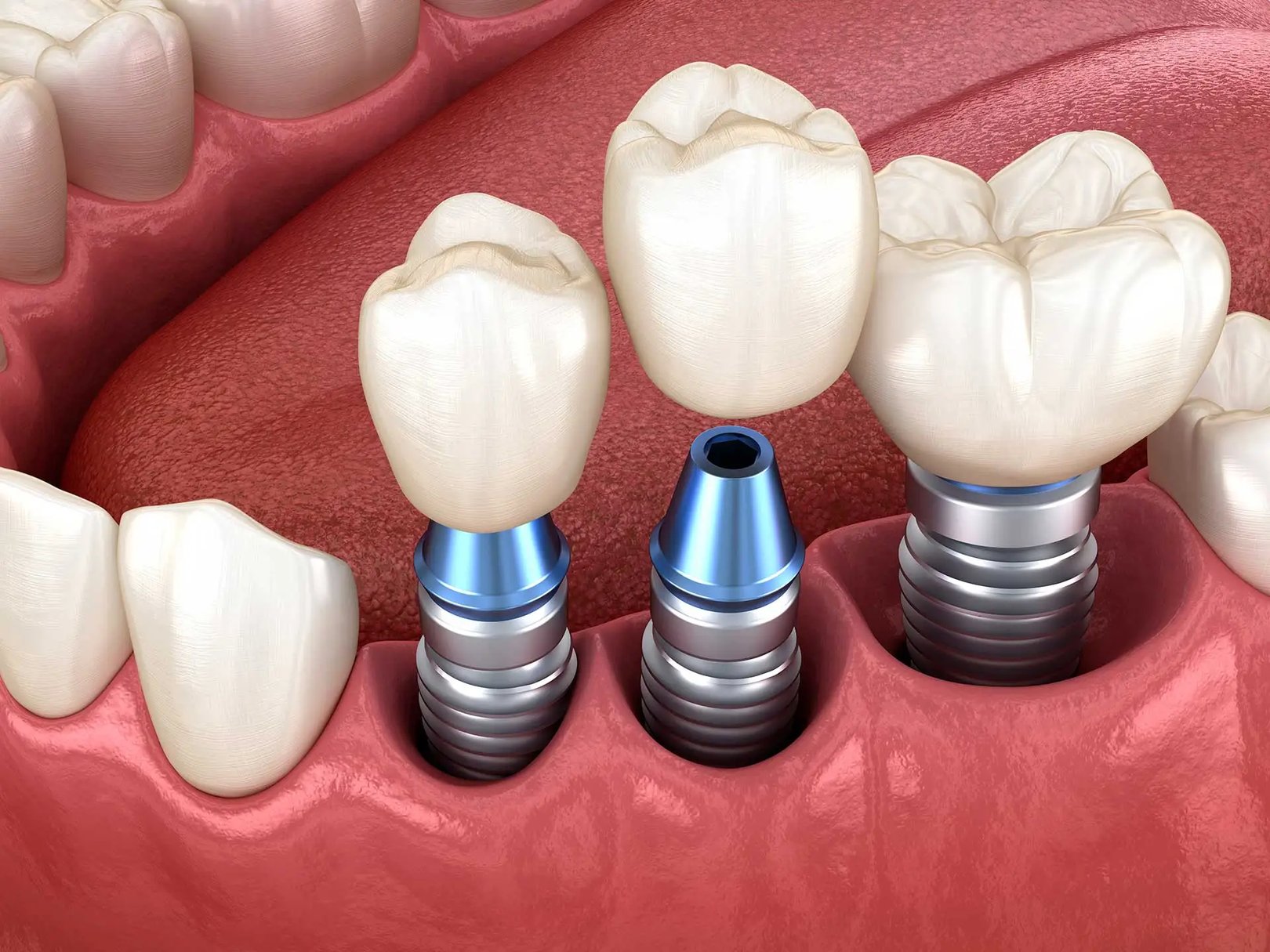
Diş implantları replace missing roots and support crowns/bridges. For complete arches, All-on-4 ve Hepsi 6'da approaches can restore function efficiently when case criteria are met.
4) Crowns and Bridges
Crowns are appropriate when structure is compromised (cracks, large restorations, post-endodontic reinforcement). Zirkonya kronlar are popular for strength and esthetic control.
5) Kompozit Yapıştırma
For chips, minor spacing, and edge refinement, bonding can be a high-value conservative option with minimal intervention.
6) Tam Gülüş Makyajları
These combine multiple interventions under one strategy. The strongest plans protect healthy tissue, manage bite carefully, and avoid unnecessary full-coverage work.
Each treatment has limits and maintenance duties. That is normal and should be openly discussed. If a provider presents only benefits and never limitations, decision quality is already compromised.
Öncesi, Sırası ve Sonrası: Hasta Yolculuğu
Before you travel
You share photos, basic records, and goals. The clinic provides a provisional plan and likely treatment windows. This stage is for orientation, not final diagnosis.
On-site diagnostics
Clinical examination, imaging, and bite assessment confirm the final roadmap. Any active disease (caries, periodontal issues) is managed before cosmetic finishing.
Design and trial stages
Where relevant, mock-ups or try-ins help confirm shape, length and phonetics. This stage is critical for avoiding post-delivery regret.
Finalization and discharge
Final checks include margins, contacts, bite dynamics and visual harmony in realistic light. You leave with aftercare documentation and a clear support route.
Ne Kadar Sürer?
Time depends on treatment class and biology. Cosmetic pathways are often faster than implant pathways. Full-arch and graft-dependent cases usually require staged planning.
| Treatment Type | Typical Clinical Window | Notes |
|---|---|---|
| Whitening / minor bonding | 1-3 days | Often completed in one or two visits. |
| Veneers / crowns | 5-10 days | Depends on lab staging and refinement rounds. |
| Single implant workflows | Stage-based | Placement first, restoration after integration where indicated. |
| All-on-4 / All-on-6 | Two-phase in many cases | Immediate protocols depend on insertion stability and case selection. |
For many UK visitors, a 7-10 day Antalya stay balances treatment precision with enough recovery margin. Tight travel schedules create unnecessary pressure, especially if refinements are needed.
Güvenlik, Malzemeler ve Standartlar
Safety in dental tourism is not a slogan. It is a checklist of verifiable processes: consent quality, infection control, imaging justification, material traceability, and aftercare escalation pathways.
What strong clinics usually provide
- Written informed consent with alternatives, limitations and maintenance responsibilities.
- Material transparency including CE/FDA-compliant systems and documented references.
- Sterilization protocols using validated autoclave workflows and barrier systems.
- Functional verification with occlusal checks before final handover.
- Post-treatment support with clear communication channels once you return to the UK.
When evaluating getting your teeth done in Turkey, ask for clarity on documentation. If documentation is vague, quality assurance is weak by definition.
Costs, Value and How to Compare Quotes
Many people start with price, but the better approach is scope-first comparison. Two quotes can look similar while describing different clinical pathways. Always compare like-for-like.
Compare these items line by line
1. Are diagnostics included, and are they sufficient for your case type?
2. Is lab work included, including try-ins and refinements?
3. Are medications, temporaries and review sessions specified?
4. Are exclusions clearly listed in writing?
5. Is post-return support defined with contact routes and timelines?
The best quote is not the cheapest quote. It is the one that is transparent, clinically coherent, and maintainable after you return home. This is the standard you should apply before getting your teeth done in Turkey.
Smile Center'ı Farklı Kılan Nedir?
International patients consistently value three things: process clarity, natural-looking outcomes, and responsive aftercare. Smile Center’s model is built around those priorities.
- Diagnosis-first planning: treatment begins after records and risk factors are reviewed, not before.
- Conservative philosophy: preserve healthy structure where possible.
- Digital workflow: improved precision, communication and consistency.
- UK-friendly coordination: clear English communication at each stage.
- Continuity support: records and guidance for local follow-up.
Patients considering getting your teeth done in Turkey often fear communication gaps. In practice, that risk drops significantly when the clinic provides one named coordination pathway and written milestones.
Birleşik Krallık'taki Gerçek Hasta Deneyimleri
Most UK patient feedback follows similar themes: better planning clarity than expected, efficient sequencing, and natural-looking final outcomes. The strongest reviews are usually not about “instant perfection,” but about feeling informed and supported throughout each step.
Common positive patterns include:
- Clear pre-travel communication and timeline certainty.
- Realistic expectation setting before irreversible steps.
- Comfortable in-clinic experience with understandable explanations.
- Useful aftercare records for home-country continuity.
These patterns are what you should prioritize when judging whether a provider is right for getting your teeth done in Turkey.
Seyahatiniz için Planlama İpuçları
1) Prepare your records early
Send current photos and any recent X-rays before travel. Better pre-travel data usually means fewer surprises on day one.
2) Do not over-compress your itinerary
Leave room for refinements and final checks. Rushed departures can undermine otherwise good treatment.
3) Confirm accommodation distance
Short transfer times reduce fatigue and improve appointment punctuality, especially after longer sessions.
4) Ask for written post-op instructions
Verbal advice is not enough. Written aftercare protects consistency once you are home.
5) Plan maintenance before you fly
Book your local UK hygiene and review window in advance. Continuity should not be left to chance.
Common Mistakes UK Patients Make (and How to Avoid Them)
When people first research getting your teeth done in Turkey, they often focus on one variable only: price. That is understandable, but it is the fastest route to mismatched expectations. A better approach is to evaluate the full clinical pathway: diagnostics, treatment rationale, delivery standards, and long-term maintenance.
Mistake 1: Comparing unlike-for-like quotes
Two treatment plans can look similar in headline format while describing different clinical realities. One may include comprehensive diagnostics, try-ins, and post-op support; another may not. If scope is not equivalent, price comparison is meaningless.
Mistake 2: Ignoring functional assessment
Patients naturally focus on smile appearance, but function determines durability. Bite instability, untreated grinding, and poor occlusal planning are common reasons for avoidable complications. Ask specifically how function is tested and adjusted before final delivery.
Mistake 3: Booking flights too tightly
It is tempting to minimise stay length, but no serious clinical workflow should be forced into an inflexible return ticket. Leave room for refinements, especially in veneer, crown, and full-arch pathways. One extra day often reduces significant stress.
Mistake 4: Treating aftercare as optional
Even high-quality dentistry needs maintenance. Skipping hygiene reviews or ignoring night-guard advice can shorten restoration life. Before you travel, decide how and where your UK follow-up will happen.
Mistake 5: Accepting vague documentation
If material details, treatment stages, and exclusions are unclear, request written clarification. Professional clinics should provide this without resistance. Documentation is not bureaucracy; it is patient protection.
Decision Checklist Before You Book
1. Is your plan written, itemized and clinically coherent?
2. Are alternatives discussed, including conservative options?
3. Are materials and protocols documented clearly?
4. Is aftercare defined for your return to the UK?
5. Do you understand maintenance obligations and realistic longevity?
6. Are travel dates aligned with clinical milestones, not the other way around?
If you cannot answer “yes” to these items, pause and ask more questions. Getting your teeth done in Turkey should feel structured and transparent, not rushed or uncertain.
Sıkça Sorulan Sorular
Türkiye'deki tedavi kalitesi Birleşik Krallık'la eşleşecek mi?
Quality depends on the clinic. Reputable providers use documented protocols, modern diagnostics and regulated materials. Compare provider standards, not country headlines.
How many times should the phrase “getting your teeth done in Turkey” appear in my planning process?
The phrase itself is only a search term. What matters is whether each provider can show evidence: records, protocols, timelines and post-op pathways.
How much time should I plan for veneers or crowns?
Many cases complete within 5-10 days over staged appointments and lab phases. Complex bite or gum cases may require longer windows.
Are implants one-trip treatment?
Placement is often in the first phase. Final restorative stages may require a second visit after integration, depending on stability and case criteria.
Can I preview my smile before final bonding?
In many workflows, yes. Digital smile design and try-ins are used to reduce uncertainty around shape, edge length and shade.
Do I get support after returning to the UK?
You should. Good clinics provide written aftercare, remote check-ins, and records that support local follow-up where required.
Is getting your teeth done in Turkey always cheaper?
Total cost is often lower, but value should be judged by transparent scope and long-term maintainability, not price alone.
Son Düşünceler ve Sonraki Adımlar
Getting your teeth done in Turkey can be a highly effective route when the plan is evidence-led, the timeline is realistic, and aftercare is built in from day one. Antalya offers a practical combination of experienced teams, modern workflows and recovery-friendly logistics that many UK patients find compelling.
The right next step is simple: request a written assessment, compare it against your goals, and verify every major decision point before booking travel. Dentistry is a clinical process, not a package label. When you approach it this way, outcomes are usually better and stress is significantly lower.