

Root Canal Treatment Process: Modern, Step-by-Step and Usually Pain-Free
Root canal treatment is one of the most misunderstood procedures in dentistry. It is often linked with pain, but in modern practice it is primarily a pain-relief treatment that removes infection and preserves your natural tooth.
At Smile Center Turkey in Antalya, diagnosis, magnification, and structured canal disinfection are used to improve comfort and long-term prognosis for local and international patients.
İçindekiler
1. Why Root Canal Treatment Is Needed
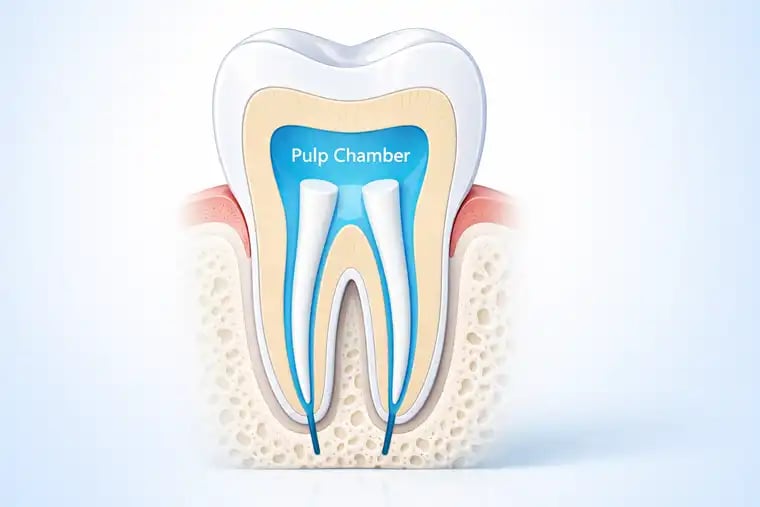
Inside each tooth is pulp tissue that contains nerves and microvascular structures. When pulp becomes irreversibly inflamed or infected, pain can increase and bacteria may spread to the bone around the root tip. In those cases, root canal treatment is used to remove infected tissue, clean canal anatomy, and seal the tooth internally.
Common triggers include:
- Deep decay reaching the pulp chamber.
- Cracked teeth allowing bacterial entry.
- Large failing restorations with recurrent decay.
- Trauma that damages pulp vitality.
- Persistent pain or abscess after older treatment.
Without treatment, infection can progress to swelling, sinus tract formation, acute pain episodes, and eventual loss of the tooth. Early intervention usually improves predictability.
2. Signs Your Tooth May Need Endodontic Care
No single symptom confirms root canal need, but common patterns include:
- Spontaneous throbbing pain, especially at night.
- Prolonged sensitivity to hot or cold stimuli.
- Pain while biting or releasing bite pressure.
- Localized gum swelling or a recurrent pimple near the tooth.
- Darkening of a previously traumatized tooth.
- Persistent discomfort after a large filling.
Some infected teeth are minimally painful. That is why objective tests, radiographs, and clinical examination matter more than symptom intensity alone.
3. The 7-Step Root Canal Treatment Process
At Smile Center Turkey, the procedure is performed in a structured sequence to control contamination and improve long-term sealing quality.
Step 1: Diagnosis and digital imaging
Clinical tests are combined with digital radiography to evaluate root morphology, periapical status, and restorability. In selected complex cases, additional imaging may be indicated for better anatomical mapping.
Step 2: Local anaesthesia and isolation
Local anaesthesia is administered to make treatment comfortable. A rubber dam is placed to isolate the tooth from saliva and reduce bacterial contamination during canal therapy.
Step 3: Access opening and pulp removal
A precise access cavity is created to reach canal entries. Inflamed or necrotic pulp tissue is removed with fine endodontic instruments under controlled irrigation.
Step 4: Working length, cleaning and shaping
Canal length is established, then canals are shaped and cleaned. Antibacterial irrigants are used to reduce microbial load in areas instruments cannot mechanically contact.
Step 5: Canal disinfection protocol
Disinfection is repeated in a staged protocol to improve decontamination. In some infected cases, treatment is staged over multiple visits depending on symptoms and canal condition.
Step 6: Obturation (filling the canals)
Once canals are adequately cleaned and dry, they are filled with biocompatible material, commonly gutta-percha, with sealer cement to create a dense internal seal.
Step 7: Coronal restoration and sealing
A sealed canal can still fail if coronal leakage occurs. The final restoration phase protects the treated tooth and reduces reinfection risk. Many posterior teeth benefit from crown coverage after endodontic therapy.
| Sahne | Primary Goal | Neden Önemli? |
|---|---|---|
| Diagnosis | Confirm indication and complexity | Avoids under- or overtreatment |
| Isolation | Maintain clean field | Reduces contamination risk |
| Cleaning/Shaping | Remove infected tissue and debris | Improves disinfection and seal quality |
| Obturation | Seal canal anatomy | Prevents bacterial recolonization |
| Final restoration | Protect tooth structure | Improves long-term survival |
4. Is It Painful? Comfort and Anaesthesia
Modern root canal treatment is usually comparable to receiving a standard filling in terms of procedural comfort. The key difference is treatment length and technical detail, not pain intensity.
What patients often feel:
- Pressure and vibration during instrumentation.
- Mild post-treatment tenderness for several days.
- Short-term bite sensitivity while tissues settle.
What should not happen:
- Severe uncontrolled pain during treatment.
- Progressively increasing swelling without review.
- Persistent severe pain that does not respond to follow-up care.
If anxiety is high, discussing comfort strategies before the appointment helps set realistic expectations and improves treatment experience.
5. Recovery Timeline and Aftercare
First 24-72 hours
Mild soreness on biting is common. Follow prescribed medication guidance, avoid hard chewing on that side, and maintain gentle oral hygiene.
Days 4-7
Symptoms usually continue to decrease. If pain worsens instead of improving, review is advised to check occlusion, residual infection signs, or restoration integrity.
Weeks 2-4
The tooth should feel more stable in function. This is the window where definitive restoration planning, including crown placement when indicated, becomes critical for long-term protection.

6. Why a Crown Is Often Recommended After Root Canal
Root-treated teeth are frequently structurally compromised due to pre-existing decay, prior fillings, or fractures. A crown can improve fracture resistance and maintain function in high-load areas.
Crown indication is case-dependent, but commonly recommended when:
- Large portions of tooth structure are missing.
- The tooth is a molar or premolar under heavy chewing load.
- Crack risk is elevated from previous restoration history.
- A post-core and full coverage are needed for retention.
Final material choice is guided by bite, aesthetics, remaining tooth structure, and maintenance goals.
7. Risks, Limits and Red Flags
No dental procedure is risk-free. Root canal outcomes depend on anatomy complexity, infection severity, restoration quality, and follow-up adherence.
Possible limitations
- Calcified, curved, or complex canals can increase difficulty.
- Vertical root fractures may make tooth preservation impossible.
- Persistent apical infection can require retreatment or apicoectomy.
- Delayed final restoration may increase reinfection risk.
When to contact the clinic urgently
- Progressive swelling, fever, or spreading pain.
- Bite feels significantly high after treatment.
- Pain remains severe beyond expected recovery window.
- Temporary restoration dislodges early.
8. Planning for UK and International Patients
For patients travelling to Antalya, planning should include enough time for diagnosis, treatment completion, and short review. One-visit treatment is possible in many cases, but complex infections can require staged care.
Before travel, request written clarity on:
- Whether treatment is expected in one or multiple visits.
- Temporary vs definitive restoration timeline.
- What happens if symptoms persist after you return home.
- Records provided for continuity with your local dentist.
A complete discharge summary should include treated tooth details, radiographic records where appropriate, materials used, and aftercare instructions.
9. FAQ
How long does a root canal appointment take?
Timing varies by tooth type and complexity. Some cases are completed in one visit; others need staged appointments for safer disinfection and symptom control.
Can I return to normal activities the same day?
Most patients can resume normal daily tasks the same day. Chewing on the treated side should be limited until advised, especially before definitive restoration.
Will I always need a crown after root canal treatment?
Not always, but many posterior teeth benefit from crown protection due to structural weakness and heavy bite load. Your dentist will assess this case by case.
What if a previous root canal still hurts?
Persistent symptoms require reassessment for missed anatomy, reinfection, fracture, or bite overload. Retreatment, surgery, or alternative options may be discussed after diagnostics.
Informational content only. Final treatment decisions require in-person diagnosis, consent, and individualized planning.