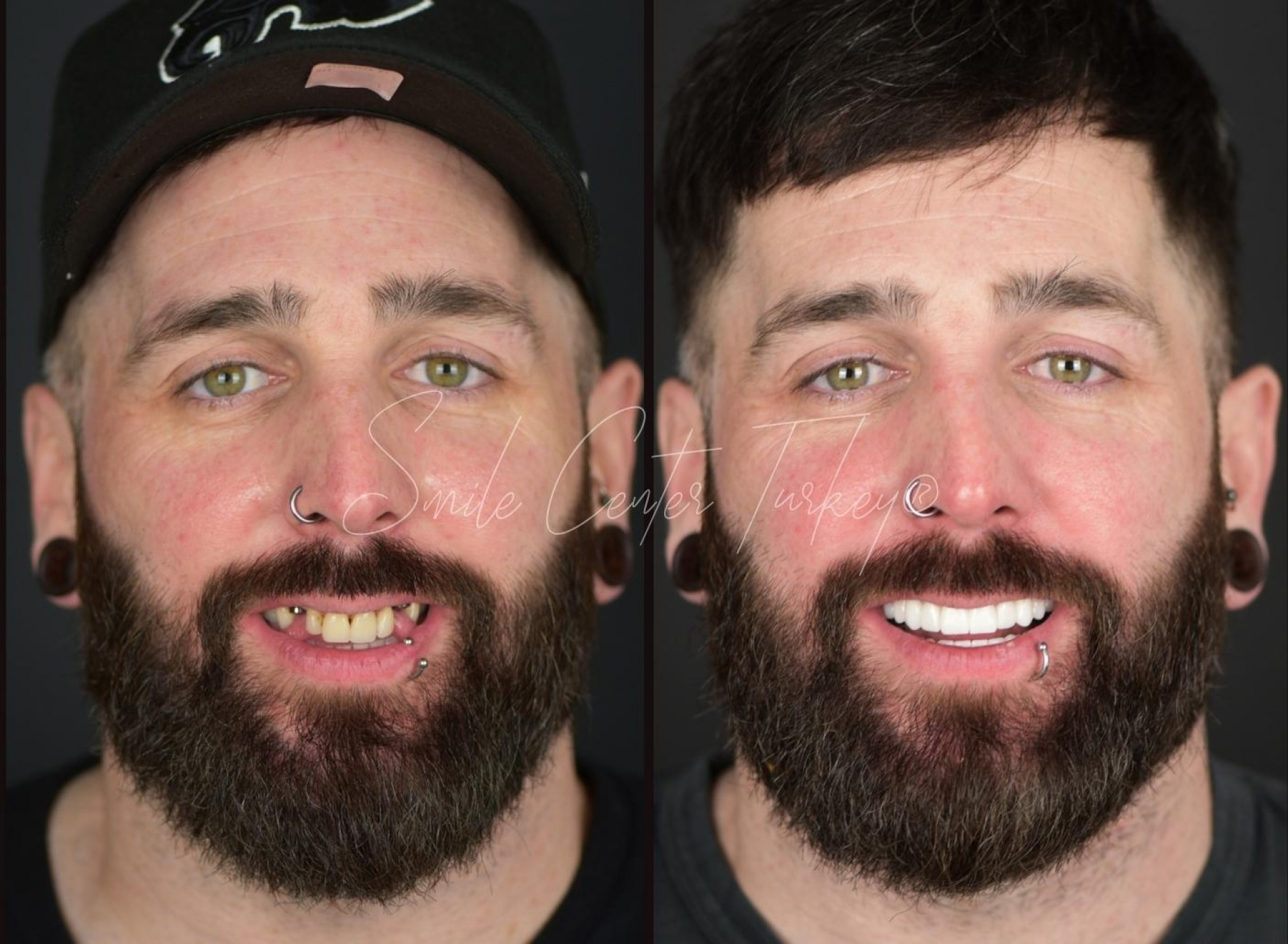

Veneers in Turkey (Antalya): Practical Guide for UK Patients
This educational guide is designed for UK patients comparing veneer treatment pathways in Antalya. It focuses on case suitability, conservative planning, treatment workflow, and continuity of care once you return home.
Short Answer
Veneers in Antalya can be a strong option for UK patients when treatment is diagnosis-led, preparation is conservative, materials are documented clearly, and aftercare records are provided for UK follow-up. The safest choice is not the most advertised clinic, but the one that explains your case in the most transparent and clinically grounded way.

Introduction and Search Intent
Searches like veneers in Turkey and veneers Antalya often hide different goals: colour correction, shape refinement, gap closure, smile balance, or a full restorative reset. Not every goal requires veneers, and not every veneer case should be treated in the same way.
The safest route is diagnosis-first planning with written records and realistic staging. For UK patients, the practical question is not only “Can this clinic improve my smile?” but also “Can this clinic do it in a way that remains maintainable once I am back home?”

What Veneers Are and What They Are Not
Porcelain veneers are thin restorations bonded to the visible front surface of teeth to improve colour, contour, edge harmony, and smile balance. In suitable cases, preparation can remain conservative and enamel-focused.
Veneers are not a cure-all. If a tooth is structurally compromised, heavily restored, or cracked, another restoration may be safer. If alignment issues are moderate or severe, orthodontics is often more conservative than cosmetic camouflage.
Treatments commonly confused with veneers
- Composite bonding: more conservative for small shape changes and edge refinement
- Full crowns: usually better when structure is significantly weakened
- Whitening: first-line where colour is the main complaint
- Aligners: more suitable for moderate positional correction
Veneer Types and When Each Is Used
Not all veneers are the same. “Veneers in Turkey” may refer to very different materials and preparation depths, which is why comparing clinics without comparing veneer type is misleading.
| Type | Typical Use | Main Advantages | Main Limits |
|---|---|---|---|
| Porcelain veneers | Colour and shape refinement with strong optical aesthetics | Stain resistance, stable appearance, strong finish quality | Irreversible in most cases and requires precise bonding |
| Composite veneers | Conservative aesthetic correction | Usually less invasive and easier to repair chairside | May stain or wear sooner in some patients |
| Minimal or no-prep veneers | Selected enamel-rich cases with mild correction needs | Tooth preservation priority | Not suitable for all colour or position problems |
In many UK patient cases, the best result comes from a mixed strategy: some teeth may be better managed with whitening or bonding, while only selected teeth receive veneers.
Who Is Suitable and Who Should Pause
Suitable candidates usually have stable gum health, manageable bite forces, enough enamel for secure bonding, and realistic expectations. Patients with active gum inflammation, untreated decay, unstable bite symptoms, or severe parafunction often benefit from preparatory treatment before aesthetic work begins.
Pre-treatment checks to expect
- Periodontal baseline and gum status documentation
- Occlusal review for clenching and grinding risk
- Photographic and shade planning in controlled lighting
- Enamel/restoration map to guide conservative preparation
- Discussion of reversible alternatives before irreversible steps
Typical Clinical Workflow in Antalya
Many international veneer pathways are staged over roughly five to seven clinical days, with a buffer day recommended before return travel.
- Remote triage: initial photo review and expectation setting
- In-person diagnostics: exam, scans, photos, and consent confirmation
- Design phase: shape, lip line, edge position, and phonetic checks
- Preparation and temporaries: only where indicated
- Try-in: refine contour, shade, and contacts before final bonding
- Finalization: adhesive protocol, finishing, and bite balancing
- Discharge pack: records for UK continuity
The try-in stage is one of the most important quality controls in cosmetic dentistry. Skipping or rushing it increases avoidable dissatisfaction later.
How Many Days Should UK Patients Plan?
Veneer workflows vary by complexity. Cases with bite adjustment, significant contour redesign, or multiple provisional revisions may need more time than straightforward cosmetic refinement cases.
| Case Profile | Typical Clinical Days | Travel Planning Advice |
|---|---|---|
| Simple aesthetic refinement | 5 to 6 days | Add one buffer day before return |
| Moderate redesign and bite refinement | 6 to 7 days | Avoid same-day return after final bonding |
| Complex multi-factor correction | Case-dependent, sometimes staged | Confirm if a two-visit pathway is safer |
Materials, Shades, and Adhesion
Material selection should be case-led, not trend-led. In many aesthetic cases, lithium disilicate ceramics are used for optical depth and conservative thickness potential, but final choice still depends on tooth condition, bite forces, and smile objectives.
Ask for these in writing
- Restoration type per tooth
- Ceramic system and target shade strategy
- Try-in and adjustment protocol
- Final records for post-treatment continuity
Natural-looking outcomes usually come from balanced translucency, proportion, and texture rather than maximum brightness.
Safety, Consent, and Hygiene Standards
Veneers are elective but still clinical procedures. Safe planning includes medical history review, contraindication checks, informed consent, and structured aftercare instructions.
- Consent documentation in clear English
- Traceable material notes for each restoration
- Standardized infection control and sterilisation process
- Written escalation route for post-treatment concerns
Risks, Red Flags, and Mitigation
Common manageable issues include temporary sensitivity, minor bite discomfort, and edge adaptation. The most avoidable problems usually come from weak planning, unclear consent, or rushed finalization.
Red flags before booking
- No written plan or unclear scope
- No distinction between veneer and crown indications
- No try-in stage before final bonding
- No clear record pack for UK follow-up
- Pressure to commit quickly without full diagnostics
Myths vs Facts
Myth: Veneers always mean “teeth filed to pegs”
Fact: In suitable cases, preparation can be minimal and enamel-focused. Full-coverage reduction is not the default for healthy teeth.
Myth: Whiter is always better
Fact: Very bright shades can look unnatural in varied lighting. Stable patient satisfaction usually comes from balanced shade, translucency, and texture.
Myth: Cheapest quote is best value
Fact: Best value comes from full pathway clarity: diagnostics, try-in quality, materials, aftercare records, and contingency planning.
Myth: Veneers remove the need for long-term care
Fact: Veneers still require maintenance, hygiene consistency, and bite monitoring, especially in clenching or grinding cases.
UK Aftercare and Continuity
Aftercare is part of treatment quality. UK dentists can usually support maintenance more effectively when patients return with complete documentation.
What to request before you leave
- Units treated and treatment sequence summary
- Material and shade details
- Relevant photos or scans where available
- Written post-op instructions and warning signs
- Contact route for routine and urgent queries
Planning at least one flexible travel day after final bonding reduces stress if small adjustments are needed.
90-Day Maintenance Plan After Veneers
The first three months are important for adaptation and stability. Most patient concerns in this window are manageable with early review and small adjustments.
- Week 1: follow post-op instructions closely, avoid very hard foods, and monitor sensitivity
- Weeks 2-4: confirm speech comfort and bite feel; report persistent edge or contact discomfort
- Month 2: keep hygiene precise around veneer margins and use non-abrasive cleaning products
- Month 3: arrange review with the treating clinic or your local UK dentist using your record pack
UK vs Hungary vs Antalya Comparison
Country-level context is useful for logistics, but provider-level process still decides outcome quality.
| Aspect | UK | Hungary | Antalya (Turkey) |
|---|---|---|---|
| Travel burden | Lowest (local) | Short-haul from the UK | Route-dependent short or medium haul |
| Follow-up convenience | Highest local convenience | Often remote-first follow-up | Often remote-first follow-up |
| Lab integration patterns | Often external labs | Mixed models | Many clinics advertise integrated workflows |
| Main decision factor | Provider-level diagnostics, documentation, and aftercare clarity | ||
Decision Checklist Before Booking
- Is there a written plan with tooth-level rationale?
- Are conservative alternatives discussed where suitable?
- Is a genuine try-in stage included before final bonding?
- Are material and shade details provided in writing?
- Do you receive a complete post-treatment record pack?
- Is follow-up communication clearly defined?
- Is there a realistic timeline with a contingency day?
Frequently Asked Questions
Are veneers in Turkey safe?
They can be safe when case selection is appropriate, preparation is conservative, materials are documented, and try-in plus bite checks are completed thoroughly.
Will my UK dentist maintain work done abroad?
Often yes, especially when records are complete and include material, shade, and treatment-sequence details.
How natural can veneers look?
Natural outcomes are possible when proportion, translucency, edge contour, and texture are designed carefully and approved during try-in.
Do veneers hurt?
Local anaesthesia is generally used when preparation is needed. Temporary sensitivity can occur. Persistent discomfort should be reviewed clinically.
How many clinic days should I plan?
Many workflows are planned over five to seven clinical days, with a buffer day recommended before flying home.
Can veneers replace orthodontics?
They may camouflage mild alignment concerns, but orthodontics is usually more conservative for moderate to severe positional problems.
References
- NHS. Dental treatments overview.
- NHS. How to keep your teeth clean.
- General Dentistry literature on adhesive ceramic restorations and minimally invasive planning principles.
Prefer a Conservative Opinion First?
Upload photos for a non-binding educational review focused on diagnosis quality and long-term maintainability.
Educational content only; not medical advice. Final decisions require clinical examination and consent.