
Deutsche Zahnimplantate in Antalya, Türkei - 2026

Zahnimplantate Türkei

Aktualisiert: 25. Februar 2026

Medizinisch begutachtet von: Dr. Furkan Yılmaz und Dr. Özlem Yılmaz

Clinical Focus: Implantology, full-arch rehabilitation, and long-term prosthetic maintenance planning.

Location Context: Antalya, Türkei

German Dental Implants in 2026: The Complete Patient Guide to Engineering, Clinical Outcomes, and Long-Term Maintainability

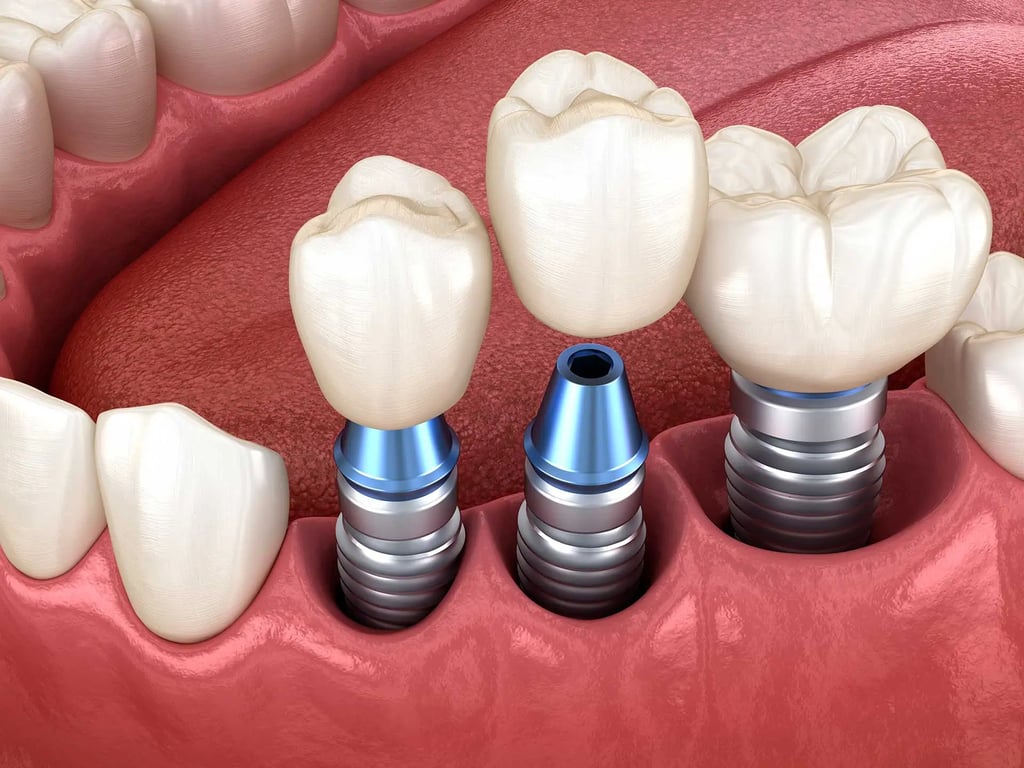
In modern restorative dentistry, losing a tooth is no longer viewed as a purely cosmetic issue. Tooth loss affects chewing mechanics, speech patterns, bone volume, facial support, and confidence. This is why dental implant treatment remains one of the most complete tooth-replacement pathways for suitable patients.

Within implantology, German dental implants and German-associated systems are often requested by patients who want predictable mechanics, strong evidence depth, and long-term service continuity. At Smile Center Türkei, system selection is always case-based, from single-tooth replacement to full-arch pathways such as All-on-4 und All-on-6.

For independent public references, patients can review the NHS dental implant information and the WHO-Faktenblatt zur Mundgesundheit. This guide translates those broad principles into practical, decision-ready steps.

Quick Summary for Fast Readers

  • Brand matters, but diagnosis depth and protocol quality matter more.
  • German-origin systems are often selected for engineering consistency and long-term component access.
  • All-on-4 vs All-on-6 is an anatomy-and-load decision, not a fixed marketing choice.
  • The best outcomes come from cleanable prosthetic design and strict recall follow-up.
  • Always request written scope, component details, and aftercare pathway before treatment.

Why Implant System Choice Matters in 2026

Implant dentistry has evolved from “place and restore” to a full biologic-mechanical discipline. Today, the best outcomes are not defined only by whether an implant integrates in bone. They are defined by whether the entire restoration remains comfortable, cleanable, aesthetically stable, and technically maintainable over the long term. That is why system choice has become more strategic than ever.

When patients compare systems, they often focus on one metric such as brand prestige or price per implant. Clinically, this is incomplete. Implant success is influenced by interacting variables: periodontal baseline, bone anatomy, insertion stability, soft-tissue behaviour, prosthetic force design, parafunction control, and recall compliance. A strong system helps, but a strong protocol is what converts potential into durable outcomes.

In practical terms, a well-supported implant ecosystem can reduce friction across the whole treatment lifecycle: planning, surgery, temporary phases, definitive restoration, and future interventions. That is why many clinicians favour globally distributed systems with mature documentation and broad restorative components.

Klinisches Prinzip: choose systems that are not only strong at placement but also serviceable at year 5, year 10, and beyond.

What Makes German Implant Systems Distinctive?

There is no single “German implant formula.” Systems differ by macro design (thread, taper, collar), micro design (surface roughness and chemistry), and restorative interface. What many German-origin systems share is a manufacturing-first culture: consistency in tolerances, disciplined product documentation, and long-term component strategy.

For patients, these details are not abstract engineering topics. They translate into clinical consequences. Connection precision affects screw stability and prosthetic behaviour. Surface chemistry influences early biologic response. Component ecosystem depth affects how easily future refinements or repairs can be performed.

  • Manufacturing consistency: stable interface quality can support predictable component fit.
  • Material engineering: titanium and titanium-zirconium variants are widely used for strength and fatigue resistance.
  • Surface development: modern textures are designed to support early bone response under appropriate conditions.
  • Digital integration: established libraries improve CAD/CAM planning and restorative precision.
  • Global ecosystem: broad distribution helps long-term maintainability across countries.

This does not mean every German system is identical in performance for every indication. It means patients usually gain access to robust planning pathways and long-horizon service support, which can be highly valuable in complex or full-arch cases.

Do Implant Brands Really Matter?

Yes, but never in isolation. A premium system can improve the probability of long-term technical stability and future serviceability. However, premium hardware cannot compensate for poor diagnosis, rushed treatment sequencing, weak infection control, or inadequate aftercare.

Where brand matters most

  • Component accessibility: easier replacement and maintenance across regions.
  • Evidence maturity: larger and longer literature base for risk communication.
  • Restorative options: broader abutment/prosthetic ecosystem for difficult cases.
  • Inter-clinician continuity: better transferability if another clinician needs to intervene later.

Where protocol matters more than brand

  • Immediate loading in biologically unsuitable conditions.
  • Ignoring active periodontal inflammation before surgery.
  • Poor occlusal planning in full-arch prosthetics.
  • Insufficient patient compliance with hygiene and recall.
  • Inadequate communication about risk and maintenance obligations.

A useful patient mindset is this: brand determines platform quality, but protocol determines execution quality. High-performing care requires both.

Rote Flagge: be cautious of clinics that market a premium brand as a guarantee while giving vague answers about diagnosis depth, loading criteria, or complication pathways.

Top German Implant Brands in 2026

The systems below are widely discussed in advanced implantology. They are all strong in experienced hands, but none is universally ideal for every case. Selection must remain case-specific.

Straumann

Straumann is often viewed as a premium benchmark due to extensive scientific documentation and a broad component ecosystem. Roxolid-type alloy strategies are commonly used where diameter/strength balance is important. SLActive-type surface technologies are often discussed in early-healing and early-loading protocols when biology permits.

Clinically, Straumann is frequently used in single implants, posterior function zones, and complex rehabilitations where long-term maintainability is a major priority. Its broad global adoption can also support future continuity when patients move countries.

Dentsply Sirona (Astra Tech)

Astra Tech pathways are often appreciated in cases where marginal tissue stability and prosthetic contour control are critical. In aesthetically demanding zones, preserving soft-tissue architecture can be as important as osseointegration itself.

Its digital workflow compatibility can improve planning-to-restoration continuity, which may reduce cumulative error through treatment stages.

Nobel Biocare

Nobel Biocare has strong representation in full-arch and immediate provisional protocols. Clinicians often value its prosthetic ecosystem and digital planning compatibility for multidisciplinary cases that require complex sequencing.

In full-arch contexts, restorative workflow quality can be as decisive as surgical placement. System flexibility helps when fine-tuning occlusion and hygiene access in long-span designs.

Zimmer Biomet

Zimmer Biomet is used across routine and complex indications, supported by broad medical-device expertise. In some scenarios, clinicians may select specific design characteristics for complex bone or loading conditions, though case selection remains the dominant factor.

Dentaurum (tioLogic)

Dentaurum remains relevant for clinicians who prioritise robust workflows and practical restorative logic. It is used in both straightforward and multi-unit planning depending on treatment architecture.

German implant leaders used in modern digital implant planning

Other German-Associated Systems in European Workflows

European implant practice also includes systems with strong German distribution, education penetration, or compatible restorative pathways. These systems may be selected for specific case goals, clinician preference, or workflow strategy.

BioHorizons

BioHorizons is often selected in workflows that emphasise soft-tissue management and prosthetic precision. In aesthetic cases, tissue stability and hygiene-friendly emergence profile design can significantly influence long-term visual outcomes.

Bicon

Bicon is known for short-implant concepts and a locking taper philosophy. In selected anatomies, short implants may reduce augmentation demand, but suitability depends on load distribution, prosthetic design, and bone quality.

MegaGen

MegaGen systems are frequently discussed in immediate loading contexts due to primary-stability planning considerations. As with all immediate pathways, objective stability criteria and risk management remain non-negotiable.

CAMLOG and Ankylos

Both systems are established across Europe and often selected for digital restorative compatibility and structured prosthetic sequencing. They are examples of systems where execution protocol strongly determines outcomes.

German-associated implant systems used across Europe

Materials, Surface Science, and Connection Architecture

Patients often see implant brands as labels, but the biologic and mechanical behaviour comes from engineering specifics. Three pillars deserve clear explanation: bulk material, surface properties, and implant-abutment interface.

1) Bulk material

Most premium systems are built on commercially pure titanium or titanium-zirconium variants. The goal is balancing strength, fatigue tolerance, and biocompatibility. In narrow-diameter scenarios, material strategy can become especially relevant due to load concentration risks.

2) Surface technology

Surface roughness and chemistry are engineered to support early biologic contact between implant and host bone. These features can be clinically useful, but they are not a substitute for healthy soft tissues, stable systemic conditions, and disciplined loading decisions.

3) Connection design

The implant-abutment interface influences mechanical stability, potential micro-movement behaviour, and restorative maintenance dynamics. Good connection behaviour supports long-term prosthetic reliability when combined with sound occlusal planning.

Engineering Dimension Clinical Relevance Patient Question to Ask
Alloy profile Long-term fatigue behaviour under chewing load Why is this material chosen for my case?
Surface characteristics Early biologic response support How does this affect loading timeline?
Connection architecture Technical stability and maintenance pathway How is long-term servicing planned?
Prosthetic ecosystem Future repair/replacement flexibility Will components be available in my country?

Diagnostics and Treatment Planning Depth

Before discussing any implant brand, clinicians should complete structured diagnosis. High-quality planning typically includes clinical examination, radiographic analysis, periodontal charting, occlusal evaluation, and systemic risk review.

In many advanced cases, CBCT-guided planning is used to evaluate bone dimensions and critical anatomy. This helps reduce avoidable risk around sinus and nerve regions. Digital wax-ups, trial setups, and provisional planning may also be used to align function and aesthetics before irreversible steps.

CBCT diagnostics and digital implant planning in Antalya clinic
  • Biologic baseline: gum health, infection status, and soft-tissue quality.
  • Structural baseline: bone volume, density, and anatomical safety zones.
  • Functional baseline: bite scheme, parafunction profile, and force direction.
  • Systemic baseline: diabetes control, smoking status, medication profile.
  • Expectation baseline: patient goals, timeline, and maintenance acceptance.

Providers who skip diagnosis depth often compensate with one-size-fits-all treatment narratives. That usually increases downstream risk and revision probability.

Single Implant vs Full-Arch Decision Pathways

Implant planning is fundamentally different for single-tooth replacement versus full-arch reconstruction. Single implants prioritise local tissue integration and precise emergence profile. Full-arch protocols prioritise cross-arch load distribution, prosthetic hygiene access, and long-term technical serviceability.

Single-tooth pathway priorities

  • Three-dimensional implant position for prosthetic emergence.
  • Neighbouring root and papilla preservation.
  • Soft-tissue contour and aesthetic integration.
  • Occlusal harmonisation with adjacent dentition.

Full-arch pathway priorities

  • Cross-arch biomechanics and force-sharing strategy.
  • Framework rigidity and passive fit.
  • Hygiene-accessible prosthetic contours.
  • Staged adaptation from provisional to definitive restoration.

Patients considering full-arch treatment should expect more detailed planning and tighter follow-up than single-tooth cases.

All-on-4 vs All-on-6: Strategic Comparison

All-on-4 and All-on-6 are both valid full-arch concepts when correctly indicated. The choice depends on bone architecture, load profile, parafunctional behaviour, prosthetic goals, and clinician strategy. Neither protocol is universally superior in all cases.

Dimension All-on-4 (Typical Planning Logic) All-on-6 (Typical Planning Logic)
Implant count 4 per arch 6 per arch
Load distribution Higher load per implant More distributed load profile
Bone requirement Can be favourable in selected reduced-bone anatomies May require broader suitable bone availability
Prosthetic planning Efficient when anatomy and stability criteria are met Often chosen for added redundancy in force management
Case selection sensitivity Hoch Also high, with different structural trade-offs

In either protocol, immediate provisionalisation is determined by objective stability and risk criteria, not by marketing preferences.

Surgical Execution Standards and Immediate Loading Criteria

Even the most advanced implant system fails without disciplined surgical execution. High-quality surgery requires atraumatic technique, infection-control rigor, and precise insertion planning that aligns with prosthetic goals.

Implant surgery and prosthetic workflow planning in Antalya

Core surgery quality checkpoints

  • Pre-surgical checklist and sterile workflow compliance.
  • Guided or accurately mapped placement according to restorative plan.
  • Controlled osteotomy protocol and thermal risk minimisation.
  • Objective insertion/stability criteria before immediate function decisions.
  • Documented post-op instructions and escalation pathways.

Immediate loading: when is it considered?

Immediate loading may be considered in selected cases where stability and biologic conditions are favourable. It is not a universal entitlement. In risk-heavy cases, staged loading is safer and often more durable over time.

Patient safeguard: if a provider promises same-day permanent results for every case before complete diagnostics, treat that as a warning sign.

Prosthetic Design: Aesthetics, Function, and Hygiene Access

Implant success is not only surgical. Prosthetic quality determines how the final teeth look, function, and clean over years of use. A visually pleasing result that is hard to clean can become a biologic problem later.

  • Passive fit: reduces technical stress across the framework and connections.
  • Occlusal design: controls load direction and parafunctional stress concentration.
  • Emergence and contour: balances aesthetics with daily cleanability.
  • Material strategy: selected based on strength, repairability, and esthetic goals.
  • Retrievability: planning for future interventions where possible.

In many cases, provisional restorations are used as functional prototypes before definitive delivery. This helps refine speech, smile support, and bite comfort before finalisation.

Cost Versus Value: How to Compare Fairly

Price comparisons are understandable, but implant treatment should be evaluated as a full pathway rather than a line-item purchase. Two quotes that look similar can include very different scopes, materials, and contingency handling.

What total pathway value usually includes

  • Diagnosis and imaging depth.
  • Surgical phases and whether staging is included.
  • Provisional and definitive prosthetic pathway.
  • Material traceability and component documentation.
  • Review schedule and technical adjustment policy.
  • Complication management route and escalation terms.

Patients should request a written scope that clearly states what is included and what is conditional. This improves informed consent and reduces hidden cost risk.

Value rule: long-term predictability, documentation quality, and aftercare structure usually matter more than the lowest initial quote.

Risks, Complications, and Mitigation Strategy

Implantology has high success potential in suitable candidates, but risk can never be reduced to zero. Biological and technical complications both exist and should be discussed transparently before treatment.

Common biological risk areas

  • Delayed or incomplete integration.
  • Soft-tissue inflammation and peri-implant complications.
  • Healing disruption from systemic or behavioural factors.

Common technical risk areas

  • Screw or component-related issues.
  • Prosthetic chipping/fracture under heavy load.
  • Framework stress from design or fit limitations.

Risk drivers that need strict management

  • Active periodontal disease at baseline.
  • Smoking, uncontrolled diabetes, or high inflammatory burden.
  • Severe parafunction without protective planning.
  • Irregular hygiene and missed recalls.

How quality teams reduce risk

  • Stage treatment according to biology, not calendar pressure.
  • Use objective loading criteria and documented decision points.
  • Design prosthetics for hygiene and load control.
  • Provide explicit aftercare and emergency escalation instructions.
Trust marker: clinicians who openly discuss limitations and risk scenarios are usually safer than clinics promising uniform outcomes for all patients.

Aftercare, Recall Schedules, and Global Maintainability

Long-term implant success depends as much on maintenance as on surgery. Patients should understand that implants require lifelong monitoring, hygiene discipline, and periodic technical review.

Post-treatment implant maintenance and healthy tissue follow-up

Typical maintenance structure

  • Early phase: short-interval reviews to monitor healing and adaptation.
  • Stabilisation phase: functional and hygiene checks at defined intervals.
  • Long-term phase: ongoing recalls with professional cleaning and structural review.

Documentation patients should keep

  • Implant system, component references, and restorative specs.
  • Key radiographs and clinical summaries.
  • Occlusal guidance and protective appliance instructions.
  • Emergency contact and escalation protocol.
  • Written maintenance and hygiene plan.

Complete records significantly improve continuity if the patient later seeks maintenance in another city or country.

Patient Checklist Before Committing to Implant Treatment

Before consenting to treatment, patients should verify the clinical pathway in writing. This checklist helps reduce avoidable misunderstandings and supports safer decision-making.

  • Is diagnosis comprehensive (clinical + radiographic + periodontal + occlusal)?
  • Is the treatment staged according to biology rather than marketing timelines?
  • Are implant and prosthetic systems specified clearly in writing?
  • Does the plan define temporary and final restoration phases?
  • Are risks, alternatives, and limitations explained in plain language?
  • Is aftercare schedule and complication escalation pathway documented?
  • Are future maintainability and component accessibility addressed?
  • Are costs and scope boundaries transparent?
Decision standard: if a clinic cannot explain these items clearly, delay treatment until you get complete answers.

Common Myths and Evidence-Based Clarifications

Myth 1: “Premium brand means zero risk.”

Reality: premium systems can improve predictability, but no brand removes biologic or technical risk completely.

Myth 2: “All implants are identical.”

Reality: designs differ in materials, surfaces, interfaces, and restorative ecosystems. These differences can influence long-term maintenance strategy.

Myth 3: “Immediate loading is always better.”

Reality: immediate pathways are useful in selected cases. In others, staged loading improves safety.

Myth 4: “If treatment is abroad, aftercare is impossible.”

Reality: many patients can be maintained locally when documentation is complete and systems are globally supported.

Myth 5: “Cheapest quote is best value.”

Reality: missing diagnostics, provisional phases, or complication handling can make low-cost pathways expensive over time.

Häufig gestellte Fragen

Are German implant systems always the best option?

Not for every patient. They are often selected for reliability and ecosystem support, but suitability depends on diagnosis, anatomy, load profile, and clinical protocol.

Do premium implants guarantee long-term success?

No. Long-term outcomes depend on case selection, surgical precision, prosthetic design, hygiene, and regular maintenance visits.

How do I know if I am suitable for immediate loading?

Suitability is determined clinically after diagnostics and objective stability assessment. Immediate loading is not appropriate for all cases.

Can German implants be used for full-mouth treatment?

Yes. They are commonly used in full-arch protocols such as All-on-4 and All-on-6 when clinical conditions support those plans.

What should I ask about maintenance before treatment?

Ask for written aftercare intervals, hygiene instructions, component documentation, and an emergency escalation path.

Will my local dentist be able to follow up after treatment abroad?

Often yes, particularly when complete records and globally supported systems are used. Some complex revisions may still require specialist referral.

Does smoking significantly affect implant results?

Yes. Smoking can increase biological complication risk and negatively affect healing and long-term tissue stability.

How long do implant restorations typically last?

Durability varies by case, loading conditions, hygiene, and maintenance compliance. Implant dentistry should always be treated as a long-term care pathway.

References and Verification Links

Patients should verify treatment claims and travel-health information using primary public sources. The following links are useful for independent review:

Conclusion and Consultation Pathway

German dental implants continue to be a strong option in 2026 for patients who prioritise engineering consistency, long-term component access, and structured restorative pathways. However, the safest decision is never “brand-only.” It is the combination of suitable system, rigorous diagnosis, skilled execution, and disciplined aftercare.

Bei Smile Center Türkei, treatment planning is case-led rather than marketing-led. Whether you are exploring a single implant, implant-supported bridge, or full-arch rehabilitation, the first step should be a documented clinical assessment with clear explanation of options, risks, and maintenance responsibilities.

Book your free implant consultation

Receive a case-based assessment, treatment pathway options, and practical aftercare guidance for long-term success.

Request consultation

Medizinischer Haftungsausschluss: This page is for educational use and does not replace in-person examination. Suitability, timelines, and outcomes vary by anatomy, medical history, clinical findings, and maintenance compliance.

Nach oben scrollen