

Worst Foods for Your Teeth: What Dentists Want You to Stop Overlooking
Maintaining good oral health is not only about brushing and flossing. The food and drinks you consume every day can directly affect enamel, gum health, plaque build-up, bad breath, and long-term decay risk. This guide explains which foods are most harmful to your teeth, why dentists warn against them, and what you can do to reduce the damage without becoming unrealistic about everyday life.
Quick Answer
The worst foods for your teeth are usually the ones that are sugary, acidic, sticky, or frequently consumed between meals. These foods and drinks increase plaque activity, weaken enamel, trap residue around teeth, and create an environment where cavities and gum inflammation can develop more easily.
1. Why Food Matters More Than Most People Think
There is a reason dentists repeatedly ask about diet when discussing cavities, sensitivity, enamel wear, or gum inflammation. Your mouth is a chemical environment. Every food or drink shifts that environment in some direction, even if only briefly. The more often your teeth are exposed to sugar, acid, and plaque-retentive residue, the harder it becomes for saliva and normal home care to protect the enamel.
Many people believe that brushing twice a day alone is enough to protect their teeth from everything. Brushing matters, but brushing cannot fully cancel out repeated high-sugar snacking, constant fizzy drink exposure, tobacco use, or dry mouth. Prevention works best when hygiene and diet support each other.
2. Sugary and Acidic Foods
One of the oldest warnings children hear is “stop eating so much candy or your teeth will rot.” While the phrase is simplistic, the core idea is correct. Sugary and acidic foods are among the biggest contributors to enamel stress and cavity development.
Sugary foods such as sweets, cakes, biscuits, pastries, and sweetened drinks feed harmful bacteria in the mouth. These bacteria convert sugars into acids. Those acids then attack enamel and increase the risk of demineralisation and decay. Acidic foods such as citrus fruits, vinegary foods, and some processed snacks can further weaken enamel by lowering oral pH.
Why this matters
- More available sugar means more acid production by plaque bacteria
- Acid lowers the pH around the tooth surface
- Repeated acid challenges make it harder for enamel to recover
- The risk becomes even higher when sugar and acid are combined
The worst pattern is not always a large dessert after a meal. Often the bigger problem is repeated grazing on small sugary foods throughout the day, because each exposure restarts the acid cycle.
3. Sticky and Chewy Foods
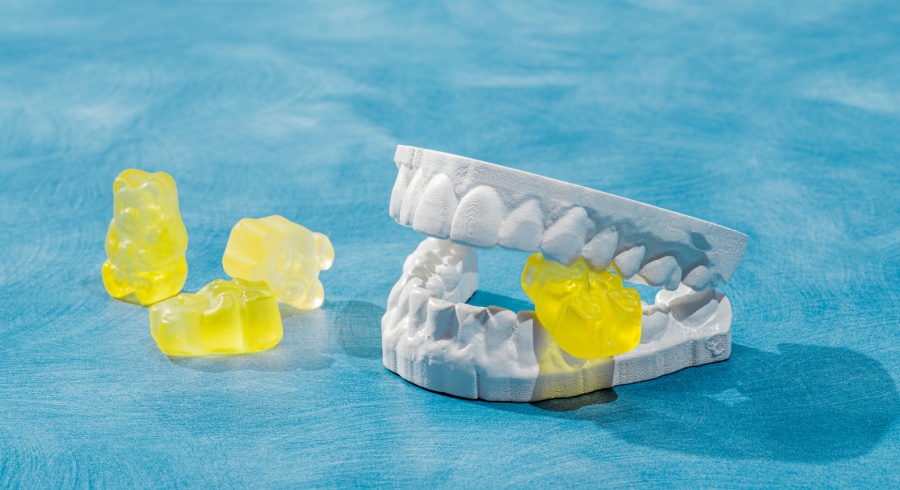
Sticky and chewy foods are another major problem because they remain attached to tooth surfaces longer than foods that wash away more easily. Caramels, gummy sweets, sticky snack bars, and similar products can trap sugar around enamel and between teeth.
Saliva alone often cannot remove these residues quickly, which means the bacteria have longer access to fuel. The result is a longer acid attack and a higher risk of decay.
Why dentists dislike sticky foods
- They cling to pits, grooves, and interdental areas
- They are harder to clear without brushing or flossing
- Some also increase mechanical stress on fillings and restorations
- Frequent chewing can put extra strain on already weakened teeth

4. Acidic Beverages
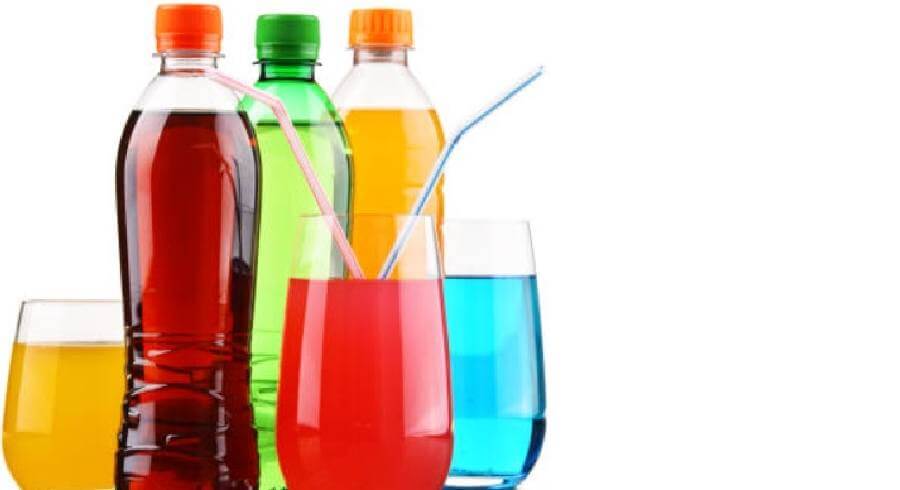
Acidic drinks are some of the most underestimated threats to enamel. Sodas, energy drinks, sports drinks, citrus juices, flavoured sparkling drinks, and even some “healthy” bottled beverages can expose teeth to repeated acidic attack.
Enamel is strong, but it is not indestructible. Repeated exposure to low-pH drinks softens the surface over time. If this happens frequently, especially when combined with brushing immediately after the drink, enamel wear can become more significant.
| Drink Type | Main Risk | Perché è importante |
|---|---|---|
| Soda / fizzy drinks | High acidity + often high sugar | Promotes both enamel erosion and cavity risk |
| Energy drinks | Acidic, often sugary | Long sipping patterns make exposure worse |
| Citrus juices | Natural acid load | Can soften enamel even without added sugar |
| Sports drinks | Acid + frequent use during activity | Often consumed slowly and repeatedly |
If you do drink them, dentists commonly recommend using a straw where practical and rinsing with water afterwards. Water remains the safest default beverage for your teeth.
5. Hard and Crunchy Foods
Not all harmful foods damage teeth chemically. Some damage teeth mechanically. Ice, hard sweets, unpopped popcorn kernels, and very hard crunchy snacks can crack, chip, or stress the teeth. This is especially important for patients who already have large fillings, worn enamel, or older crowns.
Crunchy processed snacks can also become trapped between teeth, increasing plaque build-up if oral hygiene is inconsistent. So even though these foods may not look as risky as sweets, they can still create significant dental problems.
- Ice can create fractures in enamel or restorations
- Hard sweets can concentrate force in one area
- Popcorn kernels can damage teeth or lodge under gum tissue
- Sharp crunchy snack fragments can increase irritation and plaque retention
6. Dry Mouth and Why It Matters
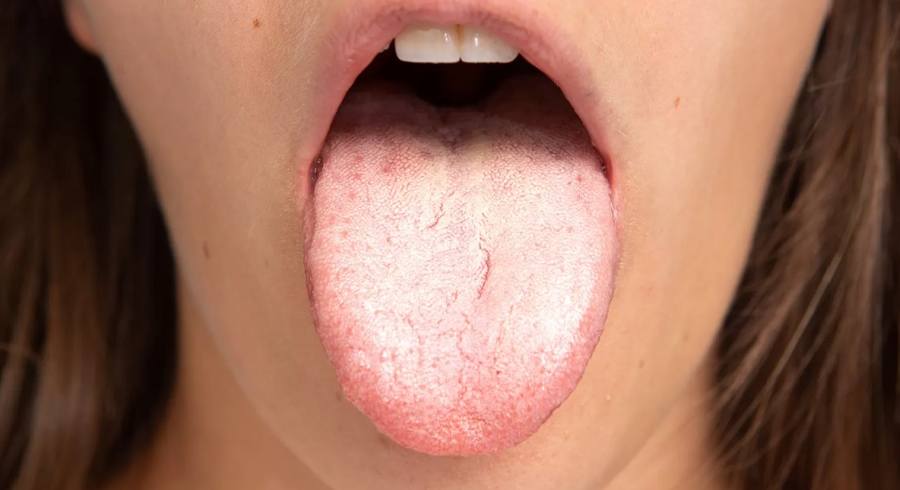
Dry mouth is not a food, but many of the foods and drinks already discussed can contribute to the conditions that make dry mouth more likely or more harmful. Saliva is one of the mouth’s main protective systems. It helps wash away food particles, buffer acids, and reduce the concentration of harmful bacteria.
When saliva flow is reduced, the mouth becomes more vulnerable to decay, staining, burning sensation, and gum discomfort. Dry mouth can be linked to medications, dehydration, stress, medical conditions, smoking, alcohol, and high caffeine intake.
This is why it matters in a food-based guide: some of the worst foods and drinks for teeth are also the kinds of things that make a dry mouth more damaging over time.
- Sugary and acidic foods become more dangerous when saliva is low
- Plaque becomes harder to clear naturally
- Bad breath tends to worsen
- Decay can progress faster when saliva buffering is weak
7. How to Reduce the Risks
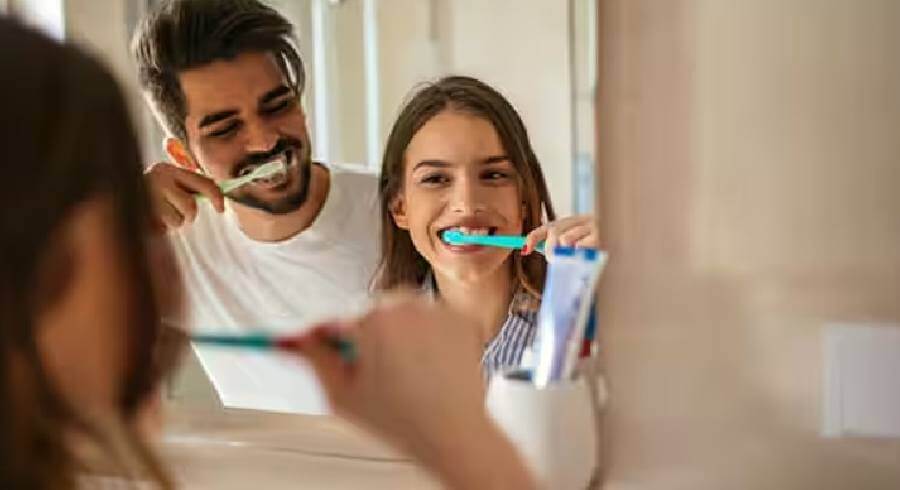
Reducing risk does not mean eliminating every enjoyable food forever. It means creating a routine that lowers the total damage over time. Dentists usually recommend combining food awareness with strong daily hygiene habits.
- Brush twice daily with fluoride toothpaste
- Floss or use interdental cleaning once daily
- Limit sugary snacks between meals
- Rinse with water after acidic drinks
- Do not brush immediately after acidic exposure
- Keep dental check-ups and professional cleaning appointments
Risk reduction also includes understanding patterns. A single dessert after dinner is often less harmful than constant sugary snacking or sipping acidic drinks all afternoon.
8. Better Swaps for Everyday Life
Most people do better with substitutions than with total restriction. The goal is not a perfect diet. It is a more tooth-friendly daily pattern.
| Higher-Risk Choice | Better Alternative | Why It Helps |
|---|---|---|
| Sticky sweets | Fresh fruit with water afterwards | Shorter residue time and less adherence |
| Fizzy sugary drinks | Water or unsweetened herbal tea | Lower sugar and lower acid load |
| Frequent biscuits/snacking | Nuts, cheese, plain yoghurt | Less sugar exposure and often better satiety |
| Ice chewing | Cold water without chewing ice | Protects enamel and restorations |
9. When Diet Damage Becomes a Treatment Issue
Sometimes damage from long-term diet patterns goes beyond prevention and requires restorative treatment. If decay, fractures, or advanced enamel loss have already developed, your dentist may discuss treatments such as:
- Root canal treatment if deep decay affects the nerve
- Corone in zirconia for structurally weakened teeth
- Impianti dentali if a tooth cannot be saved
- Sbiancamento professionale where colour is the main issue and structure remains healthy
Prevention is always easier than repair, but once damage is present, structured treatment planning matters.
10. Frequently Asked Questions
Are all sugary foods equally bad for teeth?
No. Frequency, stickiness, and how long the sugar stays in contact with your teeth often matter more than the sugar amount alone.
Are fruits bad for teeth because they are acidic?
Fruit can contribute to acid exposure, but whole fruit is still very different from sugary processed snacks. The pattern of intake and the rest of your routine matter.
Is it enough to brush after eating sweets?
Brushing helps, but reducing frequency and timing sugar intake better is still important. Also, brushing immediately after acidic foods is not always ideal.
Why is sipping drinks all day a problem?
Because repeated sipping keeps the mouth in a more acidic environment for longer, which increases enamel stress and cavity risk.
What is the safest everyday drink for teeth?
Water is generally the best default choice for oral health.
11. References
12. Next Step
If you think diet-related enamel wear, staining, or decay may already be affecting your teeth, the safest next step is a structured clinical examination and written treatment plan.