
Trattamento canalare Turchia
Smile Center Turchia
Root canal treatment in Turkey is a highly effective endodontic procedure designed to save severely damaged or infected teeth. By carefully removing the infected or inflamed pulp, disinfecting the root canals, and sealing the tooth with biocompatible materials, root canal therapy restores the tooth’s health, strength, and long-term function while relieving pain and avoiding extraction (Pak & White, J Endod, 2011).
A Smile Center Turchia, our experienced endodontists utilise advanced techniques and modern technology to perform root canal procedures with precision and minimal discomfort. This conservative approach preserves the natural tooth, restores oral health, and allows patients to maintain a confident, functional smile (Setzer & Kim, J Dent Res, 2014).
Che cos'è il trattamento canalare?
Root canal treatment (endodontic therapy) is a dental procedure designed to save severely infected or damaged teeth and avoid extraction. It involves removing the inflamed or infected dental pulp, thoroughly disinfecting and shaping the root canals, and sealing them with biocompatible materials to prevent future infection (Nair, Crit Rev Oral Biol Med, 2004).
During the procedure, our skilled endodontists access the pulp chamber, remove the infected tissue, clean and shape the canals, and then fill and seal them. A permanent restoration, such as a crown or filling, is usually placed afterward to restore the tooth’s strength and natural appearance (Stavropoulou & Koidis, J Dent, 2007).
Unlike tooth extraction, root canal treatment preserves the natural tooth, maintains proper bite function and jawbone integrity, and eliminates the need for more complex replacements such as implants or bridges — making it a highly effective and preferred solution (Setzer & Kim, J Dent Res, 2014).
Richiedi la tua consulenza gratuita
Lascia il tuo nome e il tuo numero di cellulare: ti contatteremo entro pochi secondi!
5 semplici passi per apparire al meglio e sentirsi bene!
Contatti
Contatta il nostro team di esperti e comunicaci le tue esigenze e aspettative.
Consulenza online
Richiedi una consulenza online gratuita non appena ci contatterai.
Piano terapeutico
Trova piani di trattamento alternativi che offrono la soluzione migliore per la tua salute.
Prenotazione
Prenotare un trattamento non è mai stato così facile. Basta fissare le date, prenotare il biglietto aereo e lasciare a noi il resto.
Sorriso
Ti faremo sempre sorridere con tutti i servizi che offriamo durante e dopo il trattamento.
Panoramica sul trattamento canalare in Turchia
Obiettivo del trattamento
Il trattamento canalare mira a rimuovere l'infezione o l'infiammazione dall'interno del dente, ad alleviare il dolore dentale e a ripristinare la forza, la funzionalità e la salute orale complessiva del dente, eliminando la necessità di estrazione.
Durata della procedura
In genere viene completato in una o due sessioni, ciascuna della durata di circa 60-90 minuti. La durata del trattamento varia in base alla complessità e al numero di canali radicolari interessati.
Degenza ospedaliera
Di solito non è necessario il ricovero in ospedale; tuttavia, dopo la procedura è consigliabile un breve periodo di riposo.
Durata consigliata del soggiorno
Si consiglia di soggiornare ad Antalya per circa 3-5 giorni per avere tempo sufficiente per la consultazione iniziale, la procedura e gli appuntamenti successivi.
Potenziali sintomi post-trattamento
Per qualche giorno si può avvertire una lieve sensibilità o un leggero fastidio al dente trattato. Questi sintomi di solito si risolvono rapidamente e possono essere gestiti con i normali antidolorifici.
Periodo di recupero stimato
La maggior parte dei pazienti si riprende completamente entro 1 o 2 settimane. Il sollievo dal dolore è immediato e le normali attività alimentari e quotidiane possono essere riprese poco dopo il trattamento.
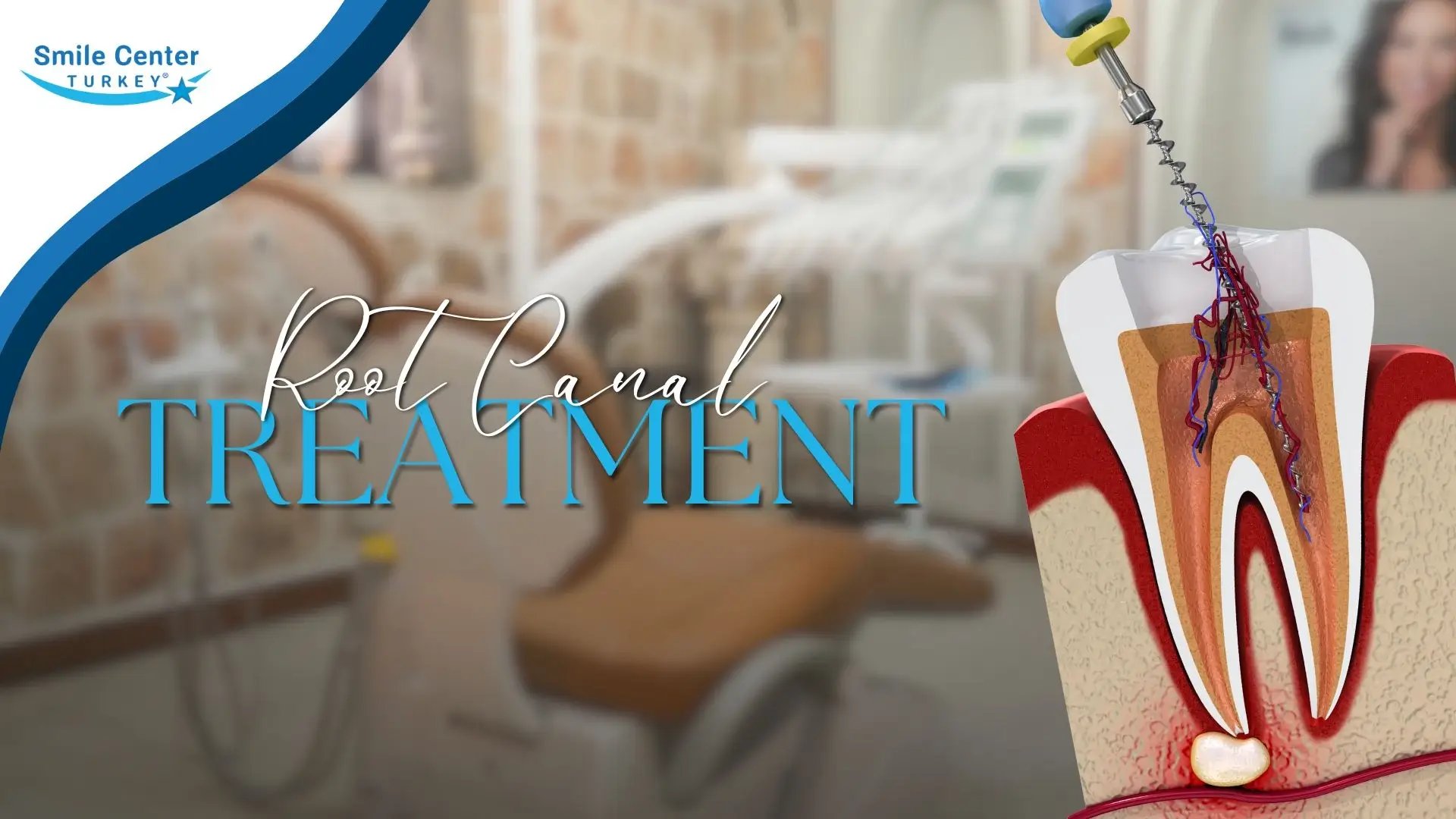
Procedura di trattamento del canale radicolare
Root canal treatment typically involves one to two appointments, each lasting approximately 60–90 minutes. The procedure begins with a thorough clinical examination and radiographic imaging to assess the extent of infection and to plan the treatment accurately (Patel et al., Int Endod J, 2007).
During the procedure, the endodontist administers local anaesthesia to ensure comfort, removes the infected or inflamed dental pulp, and meticulously cleans, disinfects, and shapes the root canals. The canals are then sealed with biocompatible materials to prevent future infection (Haapasalo et al., Br Dent J, 2014).
Following the root canal procedure, the tooth is usually restored with a crown or permanent filling to reinforce its structure and restore full functionality. The result is a pain-free, healthy tooth that preserves your natural dentition and smile without the need for extraction or implants (Setzer & Kim, J Dent Res, 2014).
Video sul trattamento del canale radicolare
Contatto rapido alla linea WhatsApp per consulenza gratuita online
I nostri coordinatori risponderanno immediatamente alle vostre domande.
Clinica del sorriso
Chi è idoneo a questo trattamento?
Root canal treatment is ideal for patients experiencing severe toothache, prolonged sensitivity, or swelling caused by infected or inflamed dental pulp. This treatment effectively saves the natural tooth, eliminates infection, prevents further damage, and restores oral health (Levin et al., J Endod, 2009).
You may be a good candidate for root canal treatment if you:
- Dolore persistente o grave ai denti
- Experience prolonged sensitivity to hot and cold temperatures
- Notate gonfiore o tensione nelle gengive vicino al dente interessato.
- avere un dente gravemente cariato o incrinato
- Wish to save your natural tooth rather than undergo extraction
Root canal treatment is particularly beneficial for patients aiming to avoid tooth extraction, implants, or dental bridges. It is suitable for most individuals, provided the remaining tooth structure is adequate for restoration (Setzer & Kim, J Dent Res, 2014).
A Smile Center Turchia, our skilled endodontists perform a detailed individual assessment to ensure root canal therapy is the optimal solution tailored to your specific oral health needs and long-term goals.
Benefici del trattamento canalare
Ottieni un sorriso naturale ed esteticamente gradevole che aumenta la tua sicurezza e migliora il tuo aspetto generale.
Il trattamento canalare preserva il dente naturale ed evita i costi più elevati dell'estrazione e degli impianti, offrendo una soluzione conveniente per ripristinare la funzionalità e alleviare il dolore.
I pazienti spesso notano miglioramenti immediati dopo la procedura, con un significativo miglioramento della funzionalità dentale.
Con una cura adeguata, un trattamento canalare può preservare il dente naturale per molti anni, fornendo un sollievo duraturo da infezioni e dolore.
Cose da considerare
Potrebbero verificarsi alcuni fastidi temporanei quali leggero dolore, gonfiore o lividi, che in genere scompaiono nel giro di pochi giorni.
Potresti avere bisogno di un breve periodo di adattamento per abituarti alle tue nuove protesi dentarie.
Per mantenere risultati ottimali e una buona salute orale sono necessari una regolare igiene dentale e controlli professionali periodici.
I risultati del trattamento possono variare in base alle condizioni di salute orale personali e all'aderenza alle istruzioni post-trattamento.
Cosa è incluso nei pacchetti di trattamento
Alloggio
Trasferimento VIP
Consulente privato
Farmaci
Consulenza a vita
Controllo sanitario a vita
Processo di guarigione
Following root canal treatment, most patients experience immediate relief from dental pain and discomfort. Normal daily activities can generally be resumed the same day or the following day, with recovery being relatively swift and comfortable (Pak & White, J Endod, 2011).
Mild sensitivity or tenderness in the treated tooth and surrounding gums may occur for a few days. These symptoms are normal and typically subside quickly, often managed with simple pain relief medication if needed (Arias et al., Int Endod J, 2013).
The treated tooth may initially feel slightly different due to the reduction of inflammation and ongoing healing. This sensation usually resolves within one to two weeks as the tooth fully recovers (Nair, Crit Rev Oral Biol Med, 2004).
To support optimal healing, patients are advised to avoid chewing hard foods on the treated tooth for the first few days, maintain gentle oral hygiene, and strictly follow the dentist’s aftercare instructions (Stavropoulou & Koidis, J Dent, 2007).
With proper care and regular dental check-ups, the treated tooth regains full functionality, providing long-lasting oral health and comfort (Ng et al., Int Endod J, 2010).
Reazioni post-procedura comuni - Trattamento canalare
Root canal treatment is a common and routine procedure, and most patients experience only mild temporary symptoms afterward. It is normal to have mild tenderness, sensitivity, or slight discomfort in the treated area for the first few days, which typically subsides within 3–7 days (Pak & White, J Endod, 2011).
While severe pain or noticeable swelling is uncommon, mild symptoms are easily managed with over-the-counter pain relievers if needed. Serious discomfort or complications are rare, and any temporary sensitivity generally resolves quickly (Arias et al., Int Endod J, 2013).
Si consiglia ai pazienti di:
- Avoid chewing hard or sticky foods on the treated tooth for a few days
- Maintain careful but gentle oral hygiene to prevent irritation
- Use warm saltwater rinses to soothe the gums if recommended by the dentist
Following the dentist’s instructions and attending scheduled follow-up appointments ensures proper healing and provides long-term functionality and comfort for the treated tooth (Ng et al., Int Endod J, 2010).
Domande frequenti.
Che cos'è il trattamento canalare e perché è necessario?
Il trattamento del canale radicolare è una procedura odontoiatrica utilizzata per rimuovere l'infezione dall'interno del dente. Si rende necessario quando la polpa (nervo) è infiammata o infetta, spesso a causa di una carie profonda, di un trauma o di un dente incrinato. Il trattamento consente di salvare il dente naturale e di evitare l'estrazione.
Il trattamento canalare è doloroso?
No. Grazie alle moderne tecniche e all'anestesia locale, l'intervento è generalmente indolore e confortevole. La maggior parte dei pazienti riferisce di non avvertire un disagio maggiore rispetto a quello che si prova durante un'otturazione di routine.
Quanto dura il trattamento canalare?
Nella maggior parte dei casi, il trattamento del canale radicolare può essere completato in una o due visite, a seconda delle condizioni del dente e della complessità dell'infezione. Il dentista fornirà una valutazione completa prima di iniziare.
Riferimenti
- Arias A, de la Macorra JC, Hidalgo JJ, Azabal M. Predictive models of pain following root canal treatment: a prospective clinical study. Int Endod J. 2013;46(8):784–793. Available from: https://pubmed.ncbi.nlm.nih.gov/23402273/
- Haapasalo M, Shen Y, Wang Z, Gao Y. Irrigation in endodontics. Br Dent J. 2014;216(6):299–303. Available from: https://pubmed.ncbi.nlm.nih.gov/24651335/
- Levin LG, Law AS, Holland GR, Abbott PV, Roda RS. Identify and define all diagnostic terms for pulpal health and disease states. J Endod. 2009;35(12):1645–1657. Available from: https://pubmed.ncbi.nlm.nih.gov/19932339/
- Nair PNR. Pathogenesis of apical periodontitis and the causes of endodontic failures. Crit Rev Oral Biol Med. 2004;15(6):348–381. Available from: https://pubmed.ncbi.nlm.nih.gov/15574679/
- Ng YL, Mann V, Gulabivala K. Tooth survival following non-surgical root canal treatment: a systematic review of the literature. Int Endod J. 2010;43(3):171–189. Available from: https://pubmed.ncbi.nlm.nih.gov/20158529/
- Pak JG, White SN. Pain prevalence and severity before, during, and after root canal treatment: a systematic review. J Endod. 2011;37(4):429–438. Available from: https://pubmed.ncbi.nlm.nih.gov/21419285/
- Patel S, Dawood A, Ford TP, Whaites E. The potential applications of cone beam computed tomography in the management of endodontic problems. Int Endod J. 2007;40(10):818–830. Available from: https://pubmed.ncbi.nlm.nih.gov/17697108/
- Setzer FC, Kim S. Comparison of long-term survival of implants and endodontically treated teeth. J Dent Res. 2014;93(1):19–26. Available from: https://pubmed.ncbi.nlm.nih.gov/24065635/
- Stavropoulou AF, Koidis PT. A systematic review of single crowns on endodontically treated teeth. J Dent. 2007;35(10):761–767. Available from: https://pubmed.ncbi.nlm.nih.gov/17822823/
Last Updated: June 15, 2026
Storie felici
I recently had 24 E-max crowns done at Smile
I recently had 24 E-max crowns done at Smile Dental Clinic in Antalya and I honestly couldn’t be happier with the results. From the first consultation to the final fitting, the whole team was professional, friendly, and…
⭐⭐⭐⭐⭐ I travelled from London to Smile Centre Turkey
⭐⭐⭐⭐⭐ I travelled from London to Smile Centre Turkey for my smile makeover, and I honestly could not be happier with my experience and results. My journey began in January when I had 6 implants placed. After allowing t…
Absolutely amazing place to be in to get any
Absolutely amazing place to be in to get any treatment. Very friendly staff and very understanding n happy to help with anything! 10/10 service. I had the teeth cleaning and whitening and it was brilliant!
I have been & had my new teeth done,
I have been & had my new teeth done, at this clinic. I would definitely recommend this clinic. The care I have recieved while I have been having treatment has been very good. Very nice welcoming team at the clinic.
Questo è di gran lunga il miglior dentista in Turchia,
Questo è di gran lunga il miglior dentista della Turchia, persone affidabili, premurose e compassionevoli che non fanno mai abbastanza per aiutarvi. Completamente affidabili e si assicurano davvero che siate molto soddisfatti prima di andarvene. Non vi faranno mai mancare nulla...

