
Dental Implants in Turkey: A Practical Guide for UK Patients
If you are considering зубные имплантаты в Турции, you are probably weighing up three things at once: clinical quality, total cost, and what happens once you are back in the UK. That is the right way to look at it. Implant treatment is not just a surgery day. It is a sequence: diagnosis, planning, placement, healing, prosthetics, review, and long-term maintenance. This guide explains the process clearly so you can compare clinics on the things that genuinely matter.
Быстрые ответы
The best implant pathway is rarely the fastest-looking one. Good implant care starts with proper diagnosis, not with a package price. In many cases the sensible route is two visits: surgery first, then the final restoration after healing. Before you commit, ask for the implant system, provisional plan, aftercare process, and the records pack you will take back to the UK.
1. Why UK Patients Still Consider Turkey for Implants
For many patients in the UK, implant treatment feels expensive, fragmented, or simply slow to organise. It often involves several appointments, private fees, and separate discussions about surgery, restorations, and maintenance. That is why so many people look abroad. They are not always chasing the cheapest option; often they are looking for a clearer pathway.
Turkey remains high on that shortlist because implant treatment is usually delivered in a more joined-up way. Consultation, imaging, surgery, temporary planning, lab support and travel coordination can sit under one roof or one team. For the patient, that can make the whole process easier to understand. Still, convenience is only useful if the clinical side is equally strong.
At this stage, most people are not looking for a glossy promise. They want to know whether the scan, the surgery, the lab work and the aftercare will all join up sensibly. That is the standard worth using.

2. What a Dental Implant Actually Is
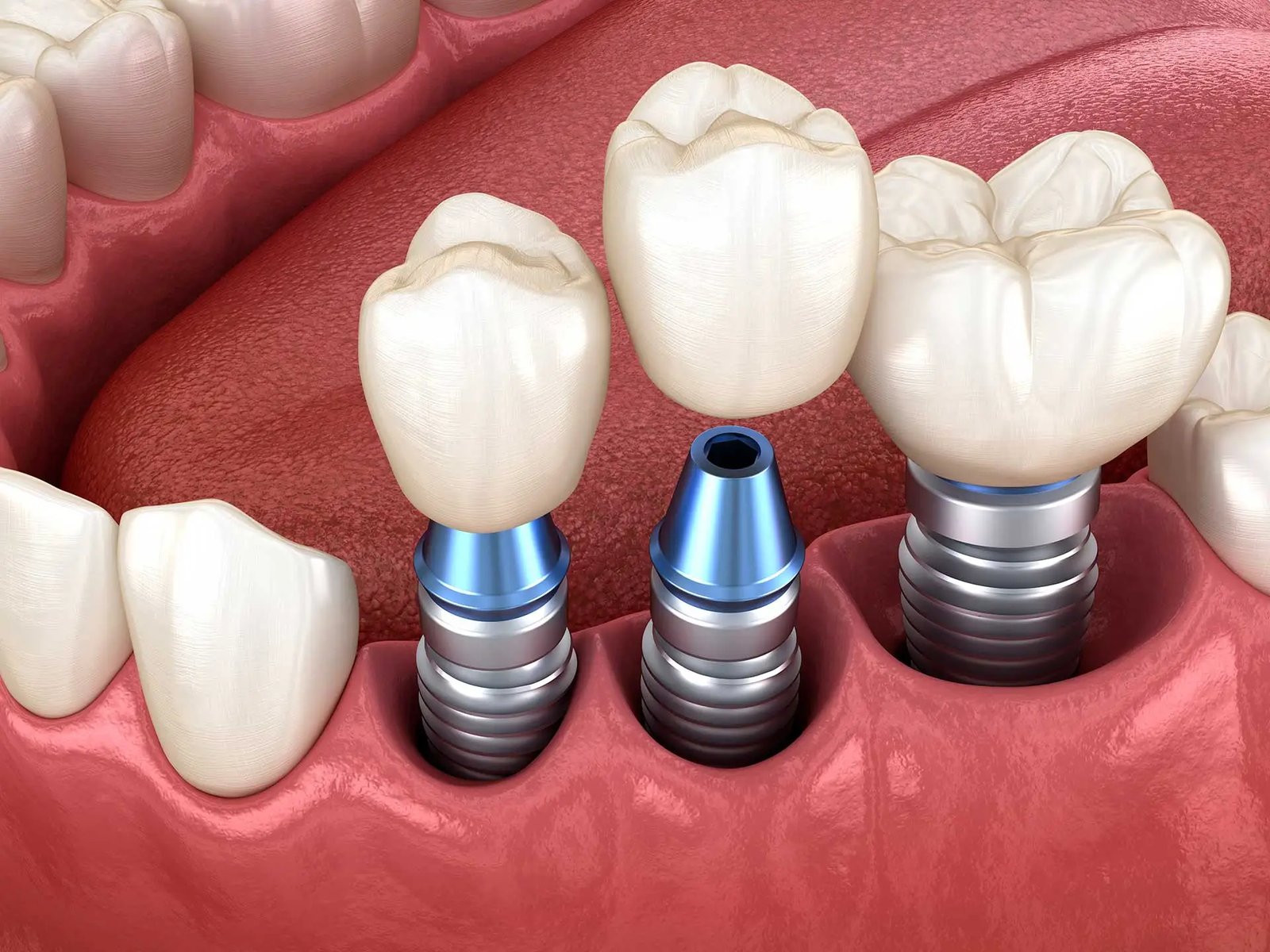
A dental implant is not just the visible tooth. In most cases it is a three-part system: the implant fixture placed into the jaw, the abutment that connects above it, and the final crown or bridge you actually see and use. Patients sometimes compare quotes as if “one implant” were a single item, but clinically it is a sequence of components and stages.
The implant itself is usually a titanium fixture placed into bone and left to heal while the body forms a stable bond around it. Once the healing phase is sufficient, the restorative phase begins. That may mean a single crown, several crowns, or a full fixed arch depending on how many teeth are missing and what the bite demands.
Why this matters in real life
If a clinic only talks about “the implant price” without explaining the abutment, temporary phase, final prosthetic phase, or records pack, the quote is incomplete. A proper plan should show you the whole journey, not only the surgical day.
3. Who Is a Good Implant Candidate?
Plenty of people are suitable for implants, but suitability is not decided by enthusiasm alone. The straightforward candidate is someone with stable gum health, decent plaque control, adequate bone in the relevant area, and no uncontrolled medical issue likely to interfere with healing. Smoking, untreated gum disease, uncontrolled diabetes, heavy grinding, and poor oral hygiene do not always rule treatment out, but they do change the risk picture.
Bone loss is another common concern. Many patients assume that being told they have “not enough bone” means the end of the discussion. It often is not. Some cases can still be treated through grafting, sinus augmentation, wider planning changes, or in more advanced upper-jaw situations, zygomatic options. The important point is that these decisions should follow imaging, not guesswork.
Who may need more careful planning
- Patients with active periodontal disease or poor plaque control
- Smokers or recent heavy smokers
- Patients with diabetes that is not well controlled
- Patients with significant tooth grinding or a heavy bite
- Patients with longstanding bone loss after extractions
- Patients taking medications or living with medical conditions that may affect healing
A serious clinic will not promise a final plan before examining those factors properly. In fact, the clinics that sound slightly more cautious at the start are often the ones thinking most responsibly.
4. Diagnostics First: Scans, Gum Health and Bite Analysis
Modern implant treatment should be diagnosis-led. That means the clinic starts with the end point in mind: where the final teeth need to be, how the bite will work, how the gums need to sit, and whether there is enough bone to get there safely. Only then should drilling positions or loading decisions be made.
For most implant cases, that process includes CBCT imaging, clinical photographs, a bite assessment, and some form of digital or physical restorative planning. If gums are inflamed or plaque control is poor, that should be managed before surgery rather than ignored because the patient has already booked flights.
- CBCT scan: to check bone volume, nerve position, sinus relationship, and anatomical limitations
- Gum assessment: to spot inflammation, recession, pocketing, or hygiene issues that could compromise healing
- Bite analysis: to understand load, clenching, and where forces will fall on the final restoration
- Digital planning: to match surgery to the final tooth position rather than improvising later

5. The Treatment Journey Step by Step
The surgical visit itself is usually not the confusing part. What unsettles patients is not knowing what comes before and after it. A clear implant pathway should make each stage feel expected rather than mysterious.
1) Remote review and initial plan
Most international patients begin with a records review. Photos, older X-rays and a short medical history help the team estimate likely options and flag anything that needs closer examination on arrival.
2) In-person examination and confirmation
Once in Antalya, the preliminary plan should be checked properly. This is where the clinic confirms whether the initial assumptions hold up or whether the plan needs to change.
3) Surgery
Implant placement is usually carried out under local anaesthetic, with sedation considered for selected patients where appropriate. Depending on the case, surgery may involve a straightforward single implant, multiple implants, extractions, grafting, or a full-arch procedure.
4) Temporary phase
Some patients can receive a temporary solution quickly. Others are better served by a more cautious staged approach. Immediate teeth are not a universal right; they are a clinical decision based on stability and load risk.
5) Final prosthetic phase
Once healing is sufficient, the definitive crown or bridge is designed, fitted and refined. This is where comfort, bite balance, speech, hygiene access and appearance all come together.
6. Healing and Osseointegration
Implant treatment is partly about mechanics and partly about biology. The biological part is called остеоинтеграция: the process by which bone bonds to the implant surface. This is why the final result cannot always be rushed. The implant may feel fine on the day of surgery, yet the real question is whether it will stay stable under function months later.
In many routine pathways, the first phase of healing is measured in days, while full integration is measured in months. During that period, bone remodels around the implant and the tissues settle. That is also why smoking, poor hygiene, heavy chewing and missed aftercare instructions matter so much early on.
What patients usually notice
- Mild swelling, bruising, or tenderness in the first few days
- A soft-food period while the surgical site settles
- Stitches or healing caps depending on the protocol used
- A longer, quieter healing phase before the final restoration is fitted
Many patients feel well quite quickly. That is helpful, but it should not be confused with complete healing. Feeling comfortable and being fully integrated are not the same milestone.
7. Implant Systems and Component Traceability
Patients often ask which implant brand is “best”. That is not a bad question, but it is not the whole question. A strong system matters, of course, but so does the clinic’s ability to document exactly what was placed and how it can be serviced later. The wiser question is: What system are you using, why are you using it for my case, and what documentation will I receive afterwards?
Internationally recognised systems such as Straumann, Nobel Biocare, Osstem and Megagen are familiar names in implant dentistry. Each has its place. What matters most is whether the chosen system suits the bone, restorative plan, and long-term maintenance expectations — especially if the patient will be living in the UK after treatment.
| What to compare | Why it matters | What to ask the clinic |
|---|---|---|
| Implant system and platform | Affects compatibility, component choice, and future maintenance | Which exact system and platform will be placed in my case? |
| Abutment and retention design | Influences retrievability, screw access, and long-term servicing | Will the final restoration be screw-retained or cement-retained, and why? |
| Records pack | Helps the UK dentist or hygienist maintain the case later | Will I receive an implant passport, component references, and radiographs? |
| Prosthetic material | Affects strength, aesthetics, repairs, and bite behaviour | What material is planned for the final crown or bridge? |
8. Bone Grafting, Sinus Lifts and Complex Cases
Not every implant case is straightforward, and that is perfectly normal. If bone volume is limited, the clinic may discuss grafting, guided bone regeneration, or a sinus lift in the upper posterior jaw. These are not signs that the case is failing before it begins; they are signs that the case is being planned honestly.
Where bone loss is more severe, particularly in the upper jaw, conventional implants may not be the only route. That is where more advanced options such as zygomatic implants come into the conversation. They are not first-line solutions for everyone, but for selected patients they can provide a fixed route when standard implants are not realistic without major grafting.
What you should expect if augmentation is needed
- A longer timeline and a more staged plan
- A clear explanation of what will be done at each visit
- Separate discussion of healing periods rather than blanket promises
- A decision based on scan findings, not on assumptions made remotely
9. Full-Arch Options: All-on-4, All-on-6 and Zygomatic Implants
Patients missing most or all teeth often look at full-arch options rather than single implants. These treatments can be life-changing, but they are also the cases where planning quality becomes most obvious. The question is not simply how many implants will be used. It is how the bite will be managed, how hygiene will work, how the bridge will be designed, and whether the final result will be maintainable.
- Все на 4: a fixed full arch on four implants, often chosen for efficiency where anatomy and load conditions allow it
- Все на 6: a fixed full arch on six implants, often giving broader support and force distribution
- Zygomatic implants: an advanced upper-jaw option for patients with significant bone loss
For many full-arch cases, the initial visit is about surgery and provisional teeth, while the second visit is about the final prosthesis after tissue and bone have stabilised. That second phase is where aesthetics, phonetics and bite refinement are usually at their best.
Prosthetic material: zirconia or something else?
For implant restorations, диоксид циркония is often favoured because it combines strength with a clean aesthetic. In selected anterior or low-load situations, more translucent ceramics may also be discussed. Material choice should follow the bite, the arch, and the maintenance plan — not fashion.
10. Costs, Quotes and What “Included” Should Mean
Implant prices abroad can look very attractive, but the fairest comparison is never the headline number. It is the full pathway. A quote can sound competitive and still leave out diagnostics, temporary restorations, bone grafts, medication, transfers, or the final bridge. That is why line-by-line comparison matters.
| Quote item | Should be clarified in writing | Why it matters |
|---|---|---|
| Диагностика | CBCT, examination, photos, scans and treatment planning | Without this, the plan may not be clinically settled |
| Surgery | Implant placement, extraction if required, sutures, medication | Prevents hidden extras around the surgical day |
| Предварительный этап | Whether temporary teeth are included, and on what basis | Avoids false expectations about “same-day” treatment |
| Окончательная реставрация | Abutment, crown or bridge, material, and fitting appointments | This is a major part of the result and the cost |
| Послепродажное обслуживание | Review visits, emergency contact route, records pack | Critical once you return home |
| Travel coordination | Transfers, accommodation, companion policy where offered | Helps you understand the true total cost |
If a clinic works regularly with UK patients, a quote in GBP can make comparison easier, but the currency is still less important than the inclusions. The best value is not the lowest price. It is the clearest plan with the least ambiguity.
11. Travelling from the UK: Timing and Logistics
Implant treatment abroad works best when travel is planned around healing rather than squeezed around a weekend. Even if the surgery itself is efficient, most patients feel better with a sensible buffer before flying home. That gives the clinic time for a review, extra instructions, and any adjustment needed after the first 24 to 48 hours.
Antalya is a practical choice for many UK patients because the treatment, accommodation and recovery environment can be kept relatively simple. Smile Center Turkey’s location in Antalya’s old town makes clinic visits, hotels and everyday essentials easier to manage than in a more sprawling city setting.
A sensible travel mindset
- Do not assume every case is a single-visit case
- Keep at least some flexibility in your return travel
- Bring all relevant medical and dental records with you
- Ask in advance about airport transfers, medication access and emergency contact details
- If you are travelling for a full-arch case, expect the second visit to matter just as much as the first
12. Aftercare, Maintenance and UK Follow-up
This is the section many patients skip when comparing clinics, and it is often the most important one. A successful implant case is not simply “finished” when the crown or bridge is fitted. It needs maintenance. The tissues need monitoring. The bite may need checking. The patient needs to know what is normal, what is not, and who to contact if something changes.
What to take back to the UK
- Implant passport or implant label record
- Component and abutment details
- Radiographs or summary imaging where appropriate
- Restorative notes, including material details
- Written hygiene and medication instructions
- A named contact route for post-treatment questions
Long-term care still matters
Implants do not decay in the way natural teeth do, but the tissues around them can still become inflamed. Poor plaque control, smoking, missed reviews, and unmanaged grinding can all shorten the life of a restoration. Good daily cleaning, regular hygiene visits and sensible review intervals remain essential.
13. Questions to Ask Before You Book
If you ask these questions and the answers still feel vague, you are not ready to pay a deposit.
- Who is the treating dentist or prosthodontist, and what is their role in my case?
- What still needs to be confirmed after the CBCT and clinical examination?
- Which implant system and components are planned for me?
- Will I receive temporary teeth, and under what clinical conditions?
- What is the expected healing window before the final restoration?
- What exactly is included in the quote, and what is not?
- What happens if the plan changes after the scan?
- What records will I receive to share with my UK dentist?
- Who do I contact after I return home if I have a concern?
A hard sell, pressure to book quickly, no written discussion of complications, vague answers about materials, or no mention of aftercare are all reasons to slow down. A strong clinic will not mind careful questions. In fact, it should welcome them.
14. Frequently Asked Questions
Безопасны ли зубные имплантаты в Турции?
They can be safe when the case is diagnosis-led, the clinic follows strong sterilisation and consent processes, and aftercare is planned properly. Country alone does not guarantee quality. The clinic process is what matters.
How long does implant treatment usually take?
The surgery itself may be relatively quick, but the overall pathway is often staged. Many patients have a surgical visit first and a restorative visit after healing. More complex cases can take longer.
Can I have teeth fitted immediately?
Sometimes, yes. But immediate temporary teeth are only sensible when stability, anatomy and load conditions support them. A clinic should explain whether you are a suitable candidate rather than offering it as a blanket promise.
Will my UK dentist be able to maintain implants placed in Turkey?
Often yes, especially when you receive a proper records pack showing the implant system, components, and restorative details. Good documentation makes UK follow-up far easier.
What if I have been told I do not have enough bone?
That does not automatically rule treatment out. Depending on the scan and the jaw involved, grafting, sinus augmentation or advanced options such as zygomatic implants may still be discussed.
Is one implant brand always better than the others?
No. The better question is whether the chosen system is appropriate for your anatomy and whether the components are fully documented for long-term maintenance.
Ссылки
- Smile Center Turkey — Dental Implants in Turkey
- Smile Center Turkey — All-on-4 Dental Implants in Turkey
- Smile Center Turkey — All-on-6 Dental Implants in Turkey
- Smile Center Turkey — Zygomatic Dental Implants in Turkey
- Smile Center Turkey — Meet Our Dentists
- NHS — Treatment abroad checklist
- General Dental Council — Going abroad for dental treatment
- Guy’s and St Thomas’ NHS Foundation Trust — Dental implants overview
- Bupa Dental Care — Considering dental implants abroad?
Заключительное слово
Dental implants in Turkey can be an excellent route for UK patients, but only when the treatment is planned properly from first scan to final review. The right clinic is not the one with the loudest promise. It is the one that gives you a realistic diagnosis, a sensible timeline, clear component records, and a maintenance plan that still makes sense once you are back home.
That is exactly how implant treatment should be compared.
Ready for a Case-Based Implant Assessment?
Share your records, goals and main concerns with the Smile Center Turkey team and receive a no-obligation pre-assessment, a realistic staged plan, and a clearer idea of what your case may involve.