
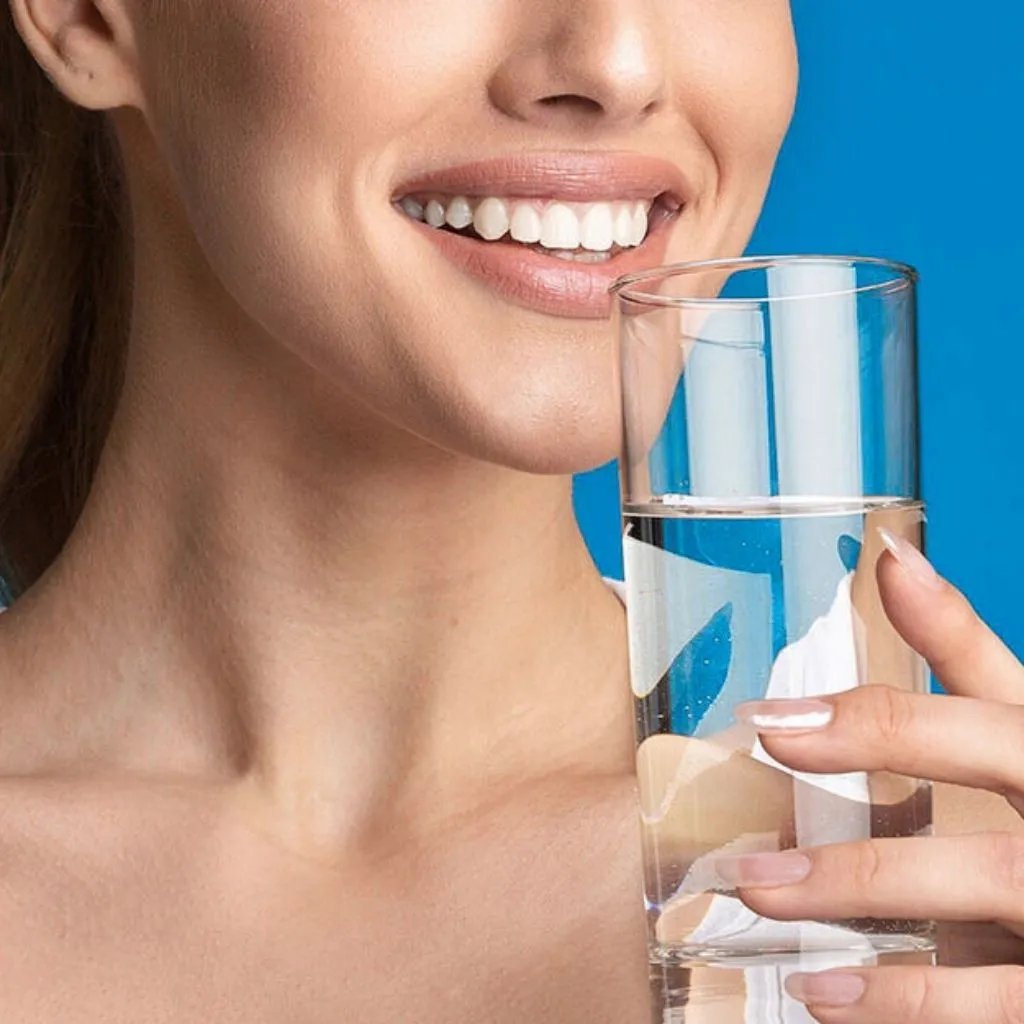
How Drinking More Water Protects Your Teeth and Gums
Drinking more water will not replace brushing, fluoride toothpaste or dental check-ups, but it does make the mouth easier to protect. Good hydration supports saliva, helps rinse away loose food debris, reduces dry mouth, and makes it easier to cut down on fizzy and sugary drinks. For many patients, it is one of the simplest habits that improves both daily comfort and long-term oral health.
How this guide was prepared: It combines preventive dentistry principles used in the clinic with public guidance from the NHS, NIDCR, the CDC and UK public-health sources on hydration, saliva and fluoride exposure.
Quick Answer
Yes, drinking more water can protect your teeth and gums — mostly by helping saliva do its job. Water does not “clean” the mouth in the same way as brushing or professionally removing plaque, but it does support saliva flow, dilute sugars and acids, reduce dry mouth, and make it easier to swap out drinks that are more harmful for enamel. Where local tap water is fluoridated, it may also contribute to tooth-decay prevention.

1. Why Water Matters for Your Mouth
Patients often think of water as a general-health habit rather than an oral-health one. In practice, the mouth is one of the first places where dehydration becomes noticeable. When fluid intake drops, the mouth can feel sticky, speech may become less comfortable, breath often worsens, and teeth are left with less natural protection against acid and bacteria.
That is because a healthy mouth depends heavily on saliva. Saliva keeps tissues moist, helps with swallowing and speech, buffers acids, and washes away some of the debris and bacteria that would otherwise sit on the teeth and gums. When hydration is steadier, the oral environment is usually steadier too.
2. Saliva: The Real Connection Between Hydration and Oral Health
Water protects teeth mostly indirectly. Plain water is not a substitute for brushing and it does not remineralise enamel by magic. What it does is support saliva, and saliva is what carries out much of the mouth’s natural protective work.
Saliva helps in several ways:
- It helps rinse away loose food particles and dilutes sugars left behind after eating.
- It buffers acids produced by plaque bacteria and acids coming from food and drink.
- It carries minerals that help protect enamel.
- It keeps soft tissues more comfortable and less prone to irritation.
- It reduces the stale, dry conditions that often make bad breath worse.
This is why dry mouth so often travels with tooth sensitivity, more plaque retention, higher cavity risk and halitosis. If saliva drops, the mouth becomes more vulnerable. Our related internal guides on роль слюны в здоровье полости рта и dry mouth causes and relief explain this in more detail.
3. Why Replacing Fizzy Drinks with Water Helps So Much
One of the strongest arguments for drinking more water is not just what water adds, but what it helps you avoid. Fizzy drinks, energy drinks, sports drinks and many fruit-based drinks expose teeth to two problems at once: sugar and acid. Sugar feeds plaque bacteria, while acid can soften the outer surface of enamel directly.
Frequency matters as much as quantity. A single sweet drink with a meal is usually less harmful than sipping an acidic drink throughout the day, because constant exposure gives the mouth less time to recover between acid attacks.
| Drink type | Sugar load | Acid risk | Likely oral-health effect |
|---|---|---|---|
| Water | None | Very low | Supports saliva, helps rinse the mouth, adds no sugar burden |
| Regular fizzy drink | Высокий | Высокий | Raises cavity risk and enamel-erosion risk |
| Sports or energy drink | Moderate to high | Высокий | Often combines acid exposure with added sugar |
| Fruit juice | Natural sugar, often concentrated | Moderate to high | Can still challenge enamel, especially when sipped frequently |
| Tea or coffee without sugar | Low | Usually low | Lower caries risk than sugary drinks, but can still contribute to dry mouth in some people |
In real life, this means that simply choosing water more often can reduce the cumulative acid and sugar stress on your teeth without any complicated routine.
4. Water, Fluoride and Enamel Protection
When people say “water strengthens teeth”, the more precise version is this: where local tap water is fluoridated, it may contribute to decay prevention. Fluoride supports remineralisation and helps enamel resist acid attack. That is why community water fluoridation remains an important public-health tool in many places.
It is worth keeping the wording accurate. Water itself is not a dental treatment. Its protective effect becomes stronger when it supports saliva and, in fluoridated areas, when it also contributes fluoride exposure. Not every water supply contains added fluoride, and coverage is not the same in every country or region. The current UK government Water fluoridation health monitoring report for England 2026 is a useful independent reference on this point, and the CDC overview of community water fluoridation explains the same principle from a public-health perspective.
5. Dry Mouth, Bad Breath and Mouth Comfort
Dry mouth is one of the clearest ways hydration and oral health overlap. A dry mouth can feel harmless at first — just a little sticky, a little uncomfortable — but over time it can contribute to bad breath, plaque retention, soreness, swallowing difficulty, taste changes and a higher risk of tooth decay.
Сайт NHS dry mouth guidance recommends regular sips of water, sugar-free gum or sweets, alcohol-free mouthwash and good tooth cleaning as sensible first steps. The NIDCR dry mouth guide also highlights saliva’s protective role and explains why persistent dryness deserves proper review.
Hydration can also help with odour. A drier mouth is a better environment for bacteria that produce unpleasant smells, which is one reason drinking water often improves comfort and breath freshness even before anything else changes. If bad breath is a concern, our internal guide on 8 steps to prevent bad breath covers the hygiene side of the issue.
6. How Much Water Should You Drink?
There is no single perfect number that suits everyone. Activity level, weather, heating, air travel, exercise, medicines and general health all change fluid needs. The most useful target is not “drink a huge amount all at once”, but “stay consistently hydrated across the day”.
- Drink regularly rather than waiting until you feel very thirsty.
- Increase intake in hot weather, on flights, or when exercising.
- Use dry mouth, darker urine, headaches or unusual fatigue as practical clues that you may be under-hydrated.
- If you have heart, kidney or other fluid-restriction advice, follow your clinician’s individual guidance.
For oral health, steady intake matters more than dramatic intake. A mouth that stays reasonably moist is easier to protect than one that becomes repeatedly dry and acidic through the day.
7. Best Times to Drink Water for Your Teeth
You do not need to overcomplicate this. A few well-timed habits can make a noticeable difference:
- On waking: useful if your mouth feels dry after sleeping.
- With and after meals: helps clear some loose debris and reduces food stagnation.
- After coffee, tea or alcohol: helps rebalance mouth comfort and reduce dryness.
- After acidic or sugary drinks: rinse with water, then wait before brushing.
- During long conversations, work shifts or travel: useful if speaking a lot or breathing through the mouth leaves tissues dry.
One point patients often miss: after acidic foods or drinks, brushing immediately is not ideal because enamel can be temporarily softened. A practical NHS-trust leaflet from Royal Devon advises waiting roughly an hour after eating or drinking before brushing when acid wear is a concern. Rinsing with water first is the gentler move. See: Royal Devon NHS – Tooth wear advice.
8. Water During and After Dental Treatment
Hydration is easy to underestimate during dental treatment, but it matters here too. Long appointments, stress, mouth breathing, whitening sessions, aligners, retainers and post-treatment soreness can all make the mouth feel drier or more delicate than usual.
Where water is especially useful
- After whitening: helps with comfort and makes it easier to avoid staining or acidic drinks for a short period.
- During aligner or retainer wear: supports comfort and reduces the “stale mouth” feeling that can build up between cleaning routines.
- After restorative care: helps keep the mouth clean without adding sugar or acid.
- After implant or surgical appointments: supports general comfort, though follow your clinician’s instructions on timing, temperature and rinsing if you have just had surgery.
Water is especially sensible during cosmetic and restorative care because it is the neutral choice. If you are investing in treatments such as professional whitening или зубные имплантаты, reducing sugary and acidic drink exposure becomes even more worthwhile.
9. What Water Cannot Do on Its Own
Water is helpful, but it has limits. It cannot remove hardened tartar, repair a cavity, treat gum disease, reverse a crack, or substitute for fluoride toothpaste and daily interdental cleaning. Patients sometimes overestimate what “rinsing the mouth” can achieve. It is supportive care, not complete care.
The stronger routine is a combined one:
- Чистите зубы дважды в день фторсодержащей зубной пастой.
- Clean between the teeth once a day.
- Drink water regularly, especially after meals and drinks that dry or acidify the mouth.
- Reduce the number of sugary or acidic drinks during the day.
- Book check-ups and hygiene visits at intervals that suit your risk level.
Часто задаваемые вопросы
Does drinking water whiten teeth?
No. Water does not bleach teeth. What it can do is reduce staining pressure a little by supporting saliva and rinsing away some pigments and sugars between brushes.
Is tap water better than bottled water for teeth?
It depends on the local water supply. In some areas, tap water may contain fluoride at levels intended to help reduce tooth decay. In other areas it may not. The bigger point is that plain water is usually a better oral-health choice than sugary or acidic drinks.
Can drinking more water help with bad breath?
Yes, especially if dry mouth is part of the problem. It will not solve plaque, gum disease or tongue coating on its own, but it often helps reduce stale-mouth symptoms.
Should I brush straight after orange juice, fizzy drinks or lemon water?
Usually it is better to rinse with water first and wait before brushing, because acidic drinks can soften enamel temporarily. Immediate brushing can add mechanical wear.
When should I worry about dry mouth?
If dryness is persistent, or comes with swallowing difficulty, burning, repeated cavities, ulcers, strong bad breath or mouth soreness, it needs proper assessment. Hydration is only part of the picture.
Independent References
Take the Next Step
If you deal with dry mouth, repeated sensitivity, bad breath, or a pattern of new cavities despite trying to improve your routine, a structured dental review is the safer next step. The team can assess saliva-related risk, hygiene patterns, diet and treatment history, then help you build a more realistic prevention plan.
Educational content only. This page does not replace an in-person diagnosis or personalised clinical advice.